
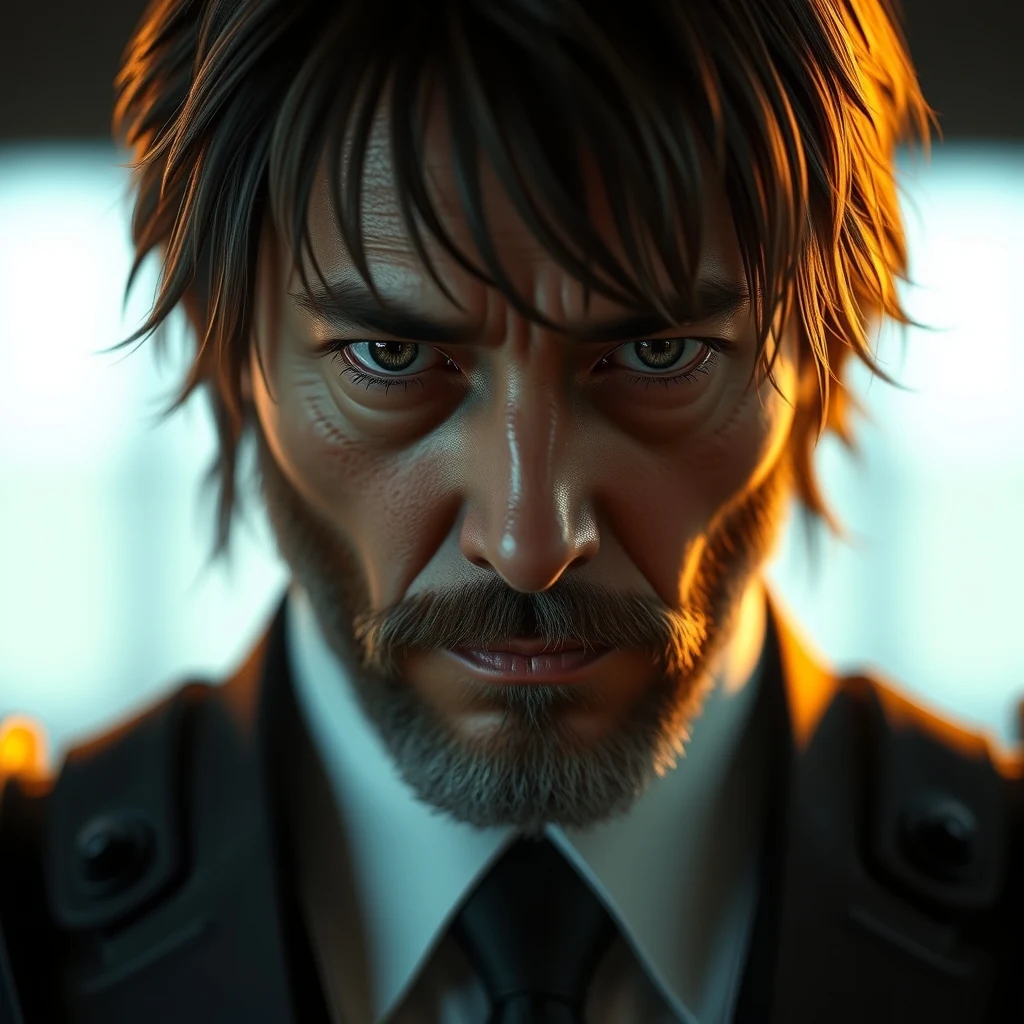
Hideo Kojima Explains the Surprise Split with Sony: What It Means for the Future of Gaming
Hello, tech and gaming enthusiasts! Welcome back to TechRook, your ultimate destination for deep dives into the digital world. Today, we are unpacking one of the most talked-about events in the gaming industry. Recently, legendary game director Hideo Kojima sat down with The Washington Post to clear the air regarding his sudden and surprising split with Sony Interactive Entertainment. If you have been following the career of the mastermind behind Metal Gear Solid and Death Stranding, you know that his relationship with Sony was once considered an unbreakable creative marriage.
So, what went wrong? Why did two giants of the industry decide to part ways, and how will this impact upcoming titles like Death Stranding 2: On the Beach? Grab a cup of coffee as we break down the details, analyze the industry implications, and explore what the future holds for Kojima Productions.
The Honeymoon Phase: Kojima Productions and Sony
To understand the current split, we must first look back at how the partnership began. When Hideo Kojima parted ways with Konami back in 2015, the gaming world held its breath. Kojima was suddenly a free agent, searching for a new home to build his independent studio, Kojima Productions. Sony swooped in like a knight in shining armor.
Sony provided financial backing, cutting-edge technology—such as the Decima engine courtesy of Guerrilla Games—and complete creative freedom. For years, the partnership was marketed as a match made in heaven. Kojima traveled the world holding panels with PlayStation leadership, and Death Stranding launched as a critically acclaimed PlayStation 4 exclusive in 2019. The bond seemed unbreakable.
However, as recent revelations to The Washington Post show, even the strongest creative alliances face friction when business models, creative visions, and global market dynamics begin to shift. The gaming industry is a fast-paced environment where long-term strategies can change overnight.
Inside the Split: What Hideo Kojima Revealed to The Washington Post
In his candid interview with The Washington Post, Hideo Kojima pulled back the curtain on the decision-making process that led to the separation from Sony. While many fans initially speculated about creative differences or funding disputes, the reality is far more nuanced, touching on independence, risk management, and the evolution of multi-platform gaming.
Kojima emphasized that independence has always been the ultimate goal for his studio. While Sony offered incredible support during the early days of Kojima Productions, remaining tied exclusively to one hardware ecosystem began to limit the studio's broader ambitions. Here are the key takeaways from his explanation:
- The Pursuit of Absolute Independence: Kojima noted that being tied to a single platform holder places boundaries on how wide a creator's audience can grow. To truly innovate, Kojima Productions needed the freedom to experiment across multiple hardware landscapes.
- Evolving Industry Standards: The gaming landscape has shifted dramatically over the last five years. Exclusive titles are increasingly finding second lives on PC and competing consoles, changing how developers look at exclusivity deals.
- Creative Autonomy: While Sony never interfered with Kojima’s artistic vision for the first Death Stranding, the desire to own 100% of their intellectual property and dictate their own release schedules became paramount.
This transparent conversation gives us a rare glimpse into the corporate realities behind our favorite video games. It proves that even when projects are successful, the business side of game development is constantly evolving.
How the Split Impacts Death Stranding 2 and Beyond
One of the immediate questions on every gamer's mind is how this split affects upcoming projects. Fans eagerly awaiting Death Stranding 2: On the Beach wondered if the game would be canceled, delayed, or drastically altered.
Fortunately, Kojima assured fans that development on Death Stranding 2 is moving forward smoothly. However, the partnership structure has evolved. Kojima Productions is taking a more autonomous approach to publishing and distributing its titles, ensuring that the studio retains greater control over its intellectual property.
Let us look at a quick comparison of the original release model versus the current strategy at Kojima Productions:
| Development Phase | Original Model (Death Stranding 1) | Current Model (Death Stranding 2 & Beyond) |
|---|---|---|
| Funding | Heavily backed by Sony Interactive Entertainment | Diversified funding and independent capital |
| Platform Exclusivity | Strict PlayStation exclusivity at launch | Flexible multi-platform strategies |
| IP Ownership | Shared/Partnered with Sony | Fully owned and controlled by Kojima Productions |
| Technology | Primarily reliant on Sony's Decima Engine | Multi-engine exploration and proprietary tech |
As seen in the table above, Kojima Productions is transitioning from a traditional second-party developer model into a fully independent powerhouse. This shift allows them to negotiate better terms with various tech giants, film studios, and streaming services.
The Broader Impact on the Gaming Industry
Hideo Kojima’s split with Sony is not just an isolated piece of studio news; it reflects a larger trend within the modern video game industry. For decades, exclusive console deals were the holy grail for hardware manufacturers like Sony, Microsoft, and Nintendo. Exclusive games sold consoles, and consoles built loyal ecosystems.
However, with development costs skyrocketing into the hundreds of millions of dollars, relying on a single platform is becoming financially risky for high-end developers. Game studios need to reach as many players as possible—across PlayStation, Xbox, PC, and potentially cloud gaming platforms—to recoup their investments and turn a profit.
By stepping away from strict exclusivity, Kojima is paving the way for other auteur developers to demand more freedom. When a creator of Kojima’s stature renegotiates their relationship with a platform holder, the rest of the industry takes notes.
What’s Next for Kojima Productions?
Aside from Death Stranding 2, Kojima has been vocal about working on entirely new intellectual properties. He recently announced an action-espionage game currently titled *OD* in partnership with Xbox Game Studios, as well as an experimental horror project.
This multi-partner approach proves that Kojima is no longer putting all his eggs in one basket. By collaborating with both Sony and Microsoft on different projects, Kojima Productions is building a resilient business model that can weather industry storms and economic shifts.
Fans can expect more cinematic storytelling, bizarre yet fascinating narrative concepts, and groundbreaking gameplay mechanics, regardless of which console or device they choose to play on.
Conclusion
The surprise split between Hideo Kojima and Sony marks the end of an era, but it also signals an exciting new chapter for independent game development. As Kojima explained to The Washington Post, the move was driven by a desire for complete creative freedom, IP ownership, and the ability to reach a global audience without platform restrictions.
At TechRook, we will continue monitoring these developments closely. Whether you are a die-hard PlayStation fan or an avid PC gamer, one thing is certain: Hideo Kojima will continue to push the boundaries of what video games can achieve as a medium of art and entertainment.
What are your thoughts on Kojima’s split with Sony? Are you excited to see him tackle multi-platform development, or will you miss the days of strict PlayStation exclusivity? Let us know your thoughts, and stay tuned to TechRook for more breaking tech news and gaming insights!



0 Comments