
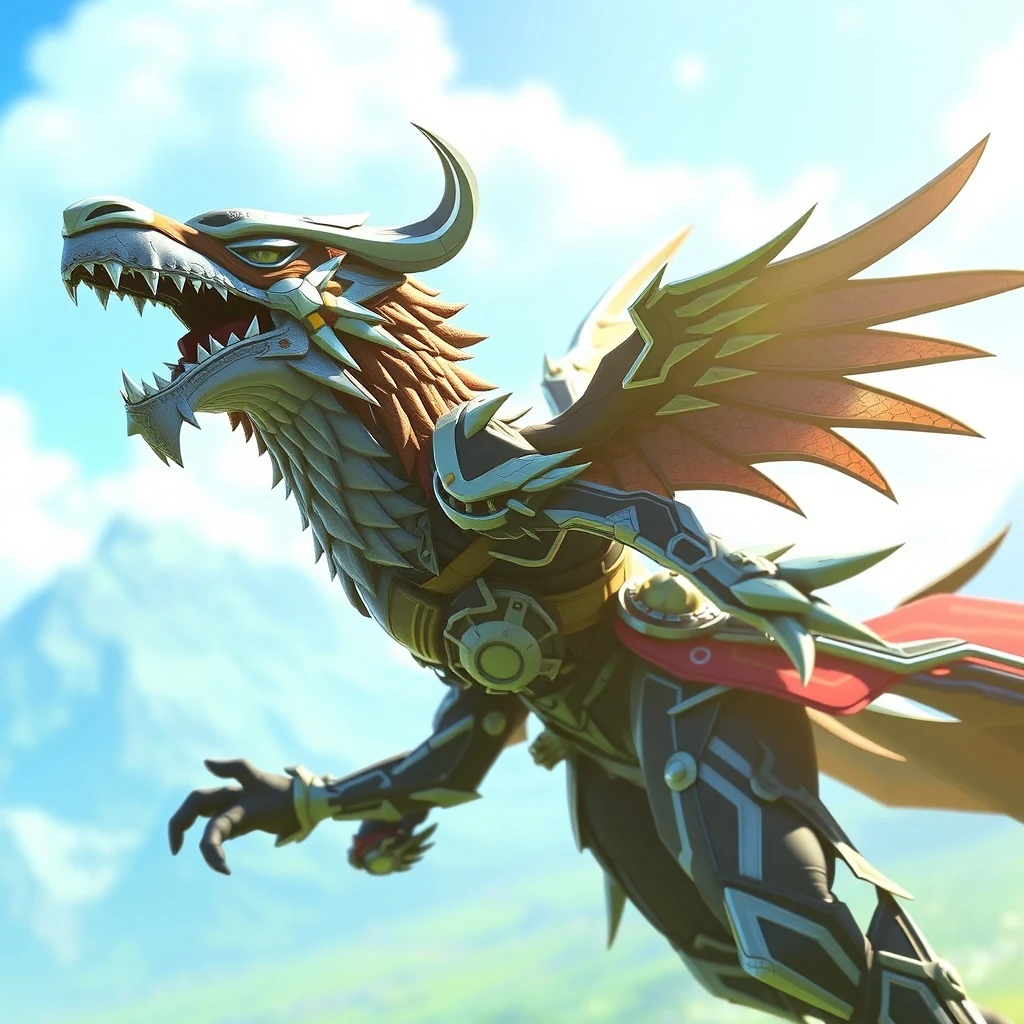
Xenoblade Chronicles 2: Torna - The Golden Country Update Version 2.0.0 Detailed Breakdown and Complete Guide
When Monolith Soft released Xenoblade Chronicles 2: Torna - The Golden Country, it set a new benchmark for narrative expansion in modern Japanese Role-Playing Games. Originally launched as a massive standalone prequel to the critically acclaimed Xenoblade Chronicles 2, this expansion provided fans with a tragic, breathtaking look into the history of Alrest, set five hundred years prior to the events of the main game. Nintendo and Monolith Soft have officially rolled out Version 2.0.0 for this celebrated expansion, introducing a refined layer of stability, quality-of-life enhancements, system optimizations, and seamless integration with the broader Xenoblade ecosystem.
At TechRook, we take a deep dive into what this major update brings to the table, how it alters the gameplay experience, and why now is the absolute best time to dive back into the cloud sea of Alrest. Whether you are a veteran Driver who mastered the original release or a newcomer looking to experience the tragic history of Lora, Jin, and Mythra for the very first time, this breakdown offers everything you need to know about Version 2.0.0.
Understanding Version 2.0.0: What is New in the Latest Patch?
Monolith Soft has built a reputation for maintaining its titles with meticulous care. While Torna - The Golden Country was already a technically polished experience at launch, Version 2.0.0 addresses specific player feedback, streamlines interface navigation, improves memory management on Nintendo Switch hardware, and resolves persistent legacy bugs that occasionally affected long-play sessions.
1. Technical Performance and Memory Optimization
One of the most noticeable improvements in Version 2.0.0 is system stability during extended gameplay sessions. In previous builds, traversing large open areas such as the Kingdom of Torna or the Gormott Province could occasionally cause subtle frame drops or dynamic resolution dips, particularly when transitioning quickly between dense settlements and combat encounter zones. The 2.0.0 update optimizes memory allocation, leading to cleaner asset streaming and smoother performance in both handheld and docked modes.
2. Quality of Life and User Interface Refinements
The update brings subtle yet impactful changes to user interface navigation. Inventory sorting, Blade equipment menus, and quest tracking overlays have been tuned for faster response times. Menu lag—which occasionally plagued players scrolling through large lists of materials, pouch items, and key items—has been drastically reduced. Additionally, map transitions and fast-travel loading screens have received minor timing improvements, making exploration feel far more fluid.
3. Combat System Fine-Tuning and Bug Rectification
Version 2.0.0 addresses several obscure combat glitches, including minor tracking issues with specific Driver Combo setups and occasional visual clipping during high-speed Vanguard Switching. Elemental orb stacking logic and status effect timers have been standardized to ensure that combat calculations perform smoothly during complex chain attacks.
4. Audio and Localization Synchronizations
The patch synchronizes dual-audio options (English and Japanese) more tightly with subtitles during fast-paced battle dialogues and environmental banter. Certain audio mixing levels during cinematic cutscenes have also been balanced to ensure that musical cues do not overpower vocal performances during key emotional scenes.
Revisiting Torna - The Golden Country: A Legacy Worth Playing
To fully appreciate the significance of this update, one must understand why Torna - The Golden Country remains such a vital piece of the Xenoblade series. Rather than serving as a standard, short downloadable content pack, Monolith Soft built Torna as a standalone story experience complete with its own unique graphics rendering pass, overhauled combat systems, and custom quest structure.
Set during the legendary Aegis War, the game follows Lora, a compassionate mercenary Driver, and her Blade, Jin, as they navigate a continent on the brink of political and environmental catastrophe. Along their journey, they cross paths with Addam, the prince of Torna and Driver of the Aegis Mythra, alongside Emperor Hugo of Mor Ardain. Together, this unlikely group fights to stop Malos, an unleashed Aegis bent on total destruction.
The Vanguard Switch Combat System Explained
While the original Xenoblade Chronicles 2 featured a combat system centered around Drivers attacking while Blades provided support from behind, Torna - The Golden Country completely revolutionized this formula by introducing the Vanguard Switch System. This mechanic allows both Drivers and Blades to take the front lines directly, radically shifting the speed and strategy of real-time battles.
Frontline vs. Backline Dynamics
In Torna, team compositions consist of three active vanguard positions. At any given moment during combat, the character in the front line acts as the main attacker, executing auto-attacks and Driver Arts. The character positioned in the backline provides passive support buffs, restores health, and recharges energy meters.
Executing a Switch at the optimal moment transfers the backline character into the frontline role, triggering a powerful Switch Art. These Switch Arts can immediately inflict crucial status effects like Topple, Launch, or Smash, making Driver Combos far easier to execute single-handedly without relying solely on partner AI timing.
Talent Arts and Direct Control
Unlike the base game, where Blades were limited to supporting actions and ultimate specials, Torna gives every character—Driver and Blade alike—their own unique Talent Art. For example, Jin can instantly freeze enemies or clear status debuffs, while Mythra can unleash light-based area-of-effect strikes. These abilities add a layer of active player control that rewards split-second tactical decisions.
Streamlined Elemental Orbs and Chain Attacks
Another major departure in Torna is how elemental orbs function during combat. In the base game, players had to complete strict three-stage elemental combo branches to attach an orb to an enemy. In Torna, every elemental attack automatically applies an orb of that element to the target. This streamlined design allows players to enter Chain Attacks faster, shattering multiple orbs in quick succession to trigger massive Full Burst damage phase multipliers.
The Community System: Building Connections in a Doomed World
One of the most defining and debated gameplay mechanics in Torna - The Golden Country is the Community System. As players explore the world, helping townsfolk, completing quests, and rescuing citizens, their Community Level increases. Progressing the main storyline requires players to reach specific Community thresholds at key narrative junctures.
While some players initially found mandatory side-questing controversial, the design serves a clear thematic purpose. By forcing players to interact with the inhabitants of Torna, learn their names, and help solve their daily struggles, the game builds a deep emotional investment in the kingdom. When tragedy inevitably strikes, the emotional weight hits significantly harder because the player personally knows the people being affected.
With Version 2.0.0, managing the Community log is cleaner than ever. Map indicators clearly display available quest lines, required materials, and active NPC locations, reducing back-and-tracking confusion and streamlining progression across all chapters.
Engine Optimizations and Visual Aesthetics
It is widely known among tech enthusiasts that Torna - The Golden Country served as a technical proving ground for Monolith Soft. The studio implemented an upgraded version of their proprietary game engine for Torna, introducing improved rendering techniques, richer grass foliage, dynamic lighting models, and enhanced character shading long before these features were brought over to Xenoblade Chronicles 3.
Version 2.0.0 further polishes this underlying engine code. Color grading in outdoor environments—such as the lush, golden fields of Auresco and the misty regions of Gormott—looks vibrant and crisp. Texture filtering and shadow stability during dynamic camera movements have received minor touch-ups, producing a visually cohesive presentation across both docked TV output and portable Switch play.
Comparing Xenoblade Chronicles 2 Base Game vs. Torna (Version 2.0.0)
To help players understand how the expansion differs structural and mechanically from the original release, we have compiled a quick comparative overview below:
| Feature | Xenoblade Chronicles 2 (Base Game) | Torna - The Golden Country (v2.0.0) |
|---|---|---|
| Combat Style | Driver-centric attacks with Blade weapon switching | Direct control of both Drivers and Blades in real-time |
| Elemental Orbs | Requires full 3-step elemental combo paths | Applied automatically on any elemental attack |
| Party Control | 3 Drivers with up to 3 Blades each (Gacha system) | Fixed character teams with direct switching mechanics |
| Gacha Blade System | Yes (Core Crystals reveal random Blades) | No (All party members and Blades are story-defined) |
| Progression Gate | Story level gates and Field Skill requirements | Community System level milestones |
| Average Playtime | 60 - 100+ Hours | 20 - 35 Hours |
| Engine Version | Original Switch Launch Engine Build | Upgraded Rendering Engine Pass |
Comprehensive Tactical Guide for New and Returning Players
If you are jumping into Torna - The Golden Country following the Version 2.0.0 patch, mastering the core mechanics quickly will allow you to glide through combat encounters and story progression with ease. Here are essential tactical tips to maximize your adventure.
1. Master the Rhythm of Vanguard Switching
Do not stay as the same character for the entire battle. Switching between your Vanguard and Support characters recharges Arts instantly, triggers free status ailments, and heals red health reserves. Pay attention to the gauge around your party portraits; as soon as a Switch is available, evaluate whether initiating a position swap will extend a Driver Combo (Break -> Topple -> Launch -> Smash).
2. Do Not Ignore Pouch Items
Pouch items are a massive cheat code for combat efficiency in the Xenoblade series. Crafting and equipping items that grant passive Arts Recharge rates or Special Recharge buffs will dramatically speed up battle momentum. Visit local vendors in Auresco and Felham to acquire recipes early, and keep your entire team constantly stocked with pouch buffs.
3. Complete Community Quests as You Explore
Rather than waiting until the story forces you to reach a specific Community Rank level, complete green quest icons whenever you enter a new settlement. Most side quests in Torna are short, straightforward, and award useful equipment, craft recipes, and experience points. By completing them naturally as you travel, you will avoid late-game narrative pacing roadblocks entirely.
4. Target Unique Monsters and Camp Cooking
Resting at campsites scattered across the map is crucial for leveling up bonus experience points, crafting custom utility items, and triggering short character dialogues. Additionally, defeating named Unique Monsters awards massive amounts of loot, rare core chips, and accessory items that give your party significant stat upgrades.
Narrative Significance: Why Torna Matters to the Overarching Lore
For story enthusiasts, Torna - The Golden Country is arguably one of the most emotional narrative arcs in modern gaming. It takes Jin—a character portrayed as a cold, ruthless antagonist in the main story of Xenoblade Chronicles 2—and completely recontextualizes his motivations. Watching his devotion to Lora and understanding the deep personal loss he suffered turns him into one of the most sympathetic tragic figures in JRPG history.
Similarly, the expansion reveals the true psychological origin of Pyra. In the main game, Pyra represents Mythra's sealed power and emotional retreat. Torna shows the devastating historical trauma and loss that drove Mythra to create Pyra in the first place. Understanding this backstory adds tremendous emotional weight when replaying Rex's journey across Alrest in the base game.
Final Thoughts: Is Version 2.0.0 Worth Playing Today?
Monolith Soft's decision to release Update Version 2.0.0 for Xenoblade Chronicles 2: Torna - The Golden Country reinforces their commitment to long-term quality and post-launch preservation. The patch polishes an already remarkable action-RPG expansion into its absolute definitive state.
With its refined real-time switching combat, vibrant artistic direction, deeply emotional character storytelling, and optimized technical performance on Nintendo Switch, Torna - The Golden Country remains a masterclass in how story expansion content should be made. Whether you are aiming to complete every Community quest, defeat every post-game superboss, or experience the Aegis War for the first time, Version 2.0.0 offers the ultimate platform to experience this JRPG triumph.



0 Comments