
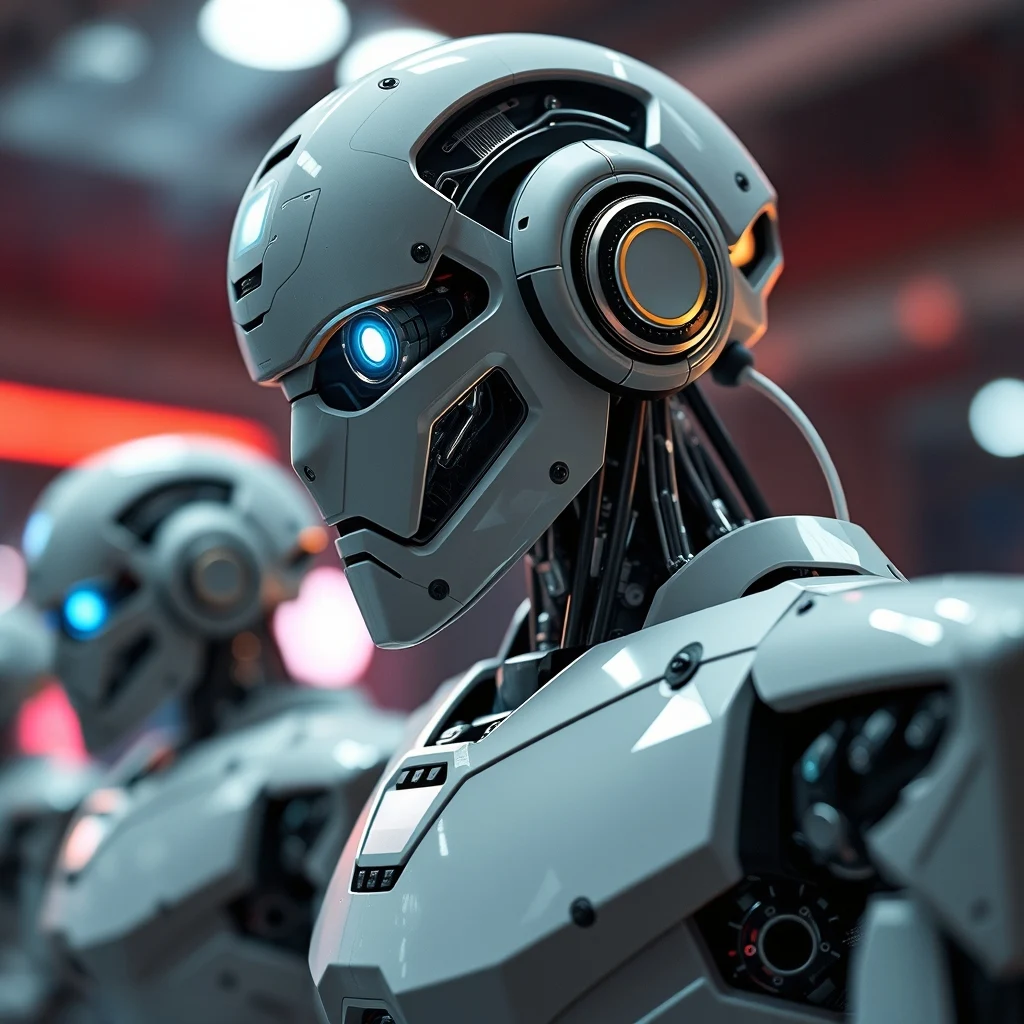
Introduction to Intelligent Robotic Systems
The field of robotics has undergone significant transformations in recent years, with the integration of computer vision technology being a major driving force. This technology enables robots to interpret and understand visual data from their surroundings, allowing them to make informed decisions and perform complex tasks. In this article, we will delve into the world of intelligent robotic systems and explore the ways in which computer vision is revolutionizing the field.
What is Computer Vision?
Computer vision refers to the ability of a computer system to interpret and understand visual data from the world. This is achieved through the use of algorithms and statistical models that enable the system to recognize patterns and objects within images and videos. In the context of robotics, computer vision is used to enable robots to navigate their surroundings, recognize objects, and perform tasks with precision and accuracy.
Key Components of Intelligent Robotic Systems
Intelligent robotic systems typically consist of several key components, including:
- Sensors: These are used to collect data from the environment, such as images, videos, and sensor readings.
- Actuators: These are used to perform tasks, such as movement and manipulation of objects.
- Control Systems: These are used to interpret data from sensors and control the actions of the robot.
- Machine Learning Algorithms: These are used to enable the robot to learn from experience and improve its performance over time.
Applications of Intelligent Robotic Systems
Intelligent robotic systems have a wide range of applications, including:
- Industrial Automation: Robots are used to perform tasks such as assembly, welding, and inspection.
- Healthcare: Robots are used to assist with surgeries, patient care, and rehabilitation.
- Transportation: Robots are used to develop autonomous vehicles, such as self-driving cars and drones.
- Service Industry: Robots are used to provide customer service, such as chatbots and virtual assistants.
Developing Intelligent Robotic Systems with Computer Vision
Developing intelligent robotic systems with computer vision requires a combination of technical skills and expertise. Some of the key steps involved in the development process include:
- Defining the Problem: Identifying the specific problem or task that the robot is intended to solve or perform.
- Designing the System: Designing the architecture and components of the robotic system, including the computer vision system.
- Developing the Software: Developing the software and algorithms required to enable the robot to interpret and understand visual data.
- Testing and Validation: Testing and validating the performance of the robot in a variety of scenarios and environments.
Challenges and Limitations
Despite the many advances in intelligent robotic systems, there are still several challenges and limitations that need to be addressed. Some of the key challenges include:
- Complexity of Visual Data: Visual data can be complex and difficult to interpret, requiring sophisticated algorithms and models to enable accurate understanding.
- Variability of Environments: Robots may need to operate in a variety of environments, each with its own unique characteristics and challenges.
- Need for Real-Time Processing: Robots may require real-time processing of visual data to enable rapid decision-making and action.
Conclusion
In conclusion, intelligent robotic systems with computer vision have the potential to revolutionize a wide range of industries and applications. By understanding the key components and applications of these systems, as well as the challenges and limitations that need to be addressed, developers can create more sophisticated and effective robots that are capable of performing complex tasks with precision and accuracy. As the field of robotics continues to evolve, we can expect to see even more innovative and powerful applications of computer vision technology in the development of intelligent robotic systems.



0 Comments