
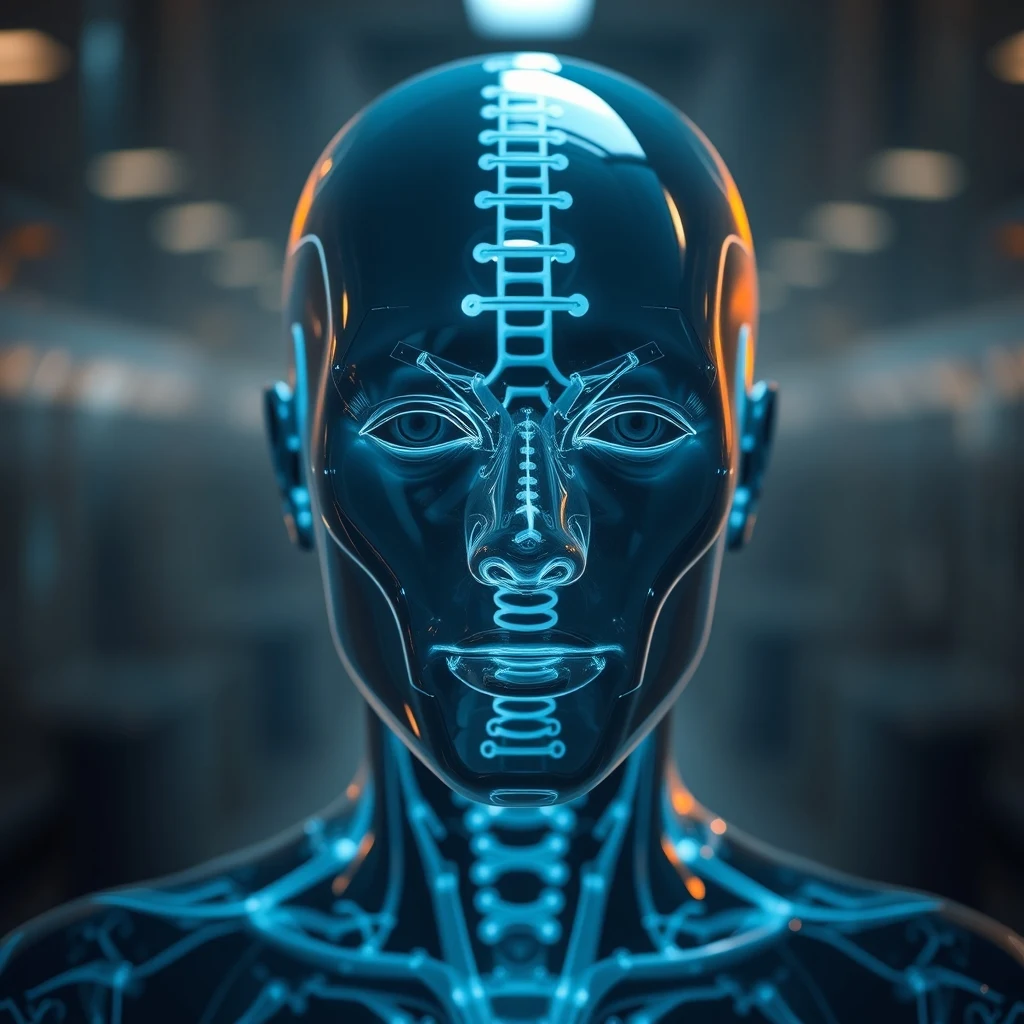
Introduction to Google DeepMind's Ambitious Goal
At the 2026 I/O keynote, Google DeepMind CEO Demis Hassabis made a bold claim that has been making waves in the medical and technological communities. He stated that his company is working towards solving all diseases, a statement that has been met with both excitement and skepticism. In this article, we will delve into the possibilities and challenges of achieving such a feat, and what it could mean for the future of healthcare.
The Role of AI in Healthcare
Artificial intelligence (AI) has been increasingly used in healthcare to improve patient outcomes, streamline clinical workflows, and enhance research capabilities. Machine learning algorithms can analyze vast amounts of medical data, identify patterns, and make predictions that can aid in disease diagnosis and treatment. Google DeepMind has been at the forefront of this effort, with its AlphaFold and AlphaGenome projects aiming to revolutionize our understanding of protein structures and genetic codes.
Key Applications of AI in Healthcare
- Disease diagnosis: AI-powered systems can analyze medical images, lab results, and patient data to diagnose diseases more accurately and quickly than human clinicians.
- Personalized medicine: AI can help tailor treatment plans to individual patients based on their unique genetic profiles, medical histories, and lifestyle factors.
- Drug discovery: AI can accelerate the discovery of new drugs by analyzing vast amounts of data, identifying potential targets, and predicting the efficacy of new compounds.
The Challenges of Solving All Diseases
While AI has the potential to transform healthcare, solving all diseases is a highly ambitious goal that poses significant scientific, technological, and logistical challenges. Complexity of human biology is one of the major hurdles, as diseases often result from the interplay of multiple genetic, environmental, and lifestyle factors. Additionally, data quality and availability are crucial for training AI models, but medical data is often fragmented, incomplete, or biased.
Overcoming the Challenges
To overcome these challenges, Google DeepMind and other researchers will need to develop more sophisticated AI models that can integrate multiple data sources, handle uncertainty, and provide interpretable results. They will also need to collaborate with clinicians, researchers, and patients to ensure that AI systems are designed with real-world clinical applications in mind. Furthermore, addressing ethical and regulatory issues will be essential to ensure that AI is used responsibly and transparently in healthcare.
Conclusion: A Future of Hope and Uncertainty
Google DeepMind's bold claim to solve all diseases has sparked a mix of excitement and skepticism. While AI has the potential to revolutionize healthcare, the challenges ahead are significant. Nevertheless, the prospect of transforming healthcare through AI is a tantalizing one, and researchers, clinicians, and patients alike are eager to see the progress that can be made. As we move forward, it is essential to approach this goal with a critical and nuanced perspective, acknowledging both the potential benefits and the challenges that lie ahead.
Final Thoughts
In conclusion, solving all diseases is a highly ambitious goal that requires a concerted effort from researchers, clinicians, and industry leaders. While Google DeepMind's claim may seem bold, it has sparked an important conversation about the potential of AI to transform healthcare. As we continue to explore the possibilities and challenges of AI in healthcare, we must remain committed to responsible innovation, collaboration, and patient-centered care. Only then can we hope to create a future where AI is used to improve human health and wellbeing, and where the prospect of solving all diseases becomes a reality.



0 Comments