
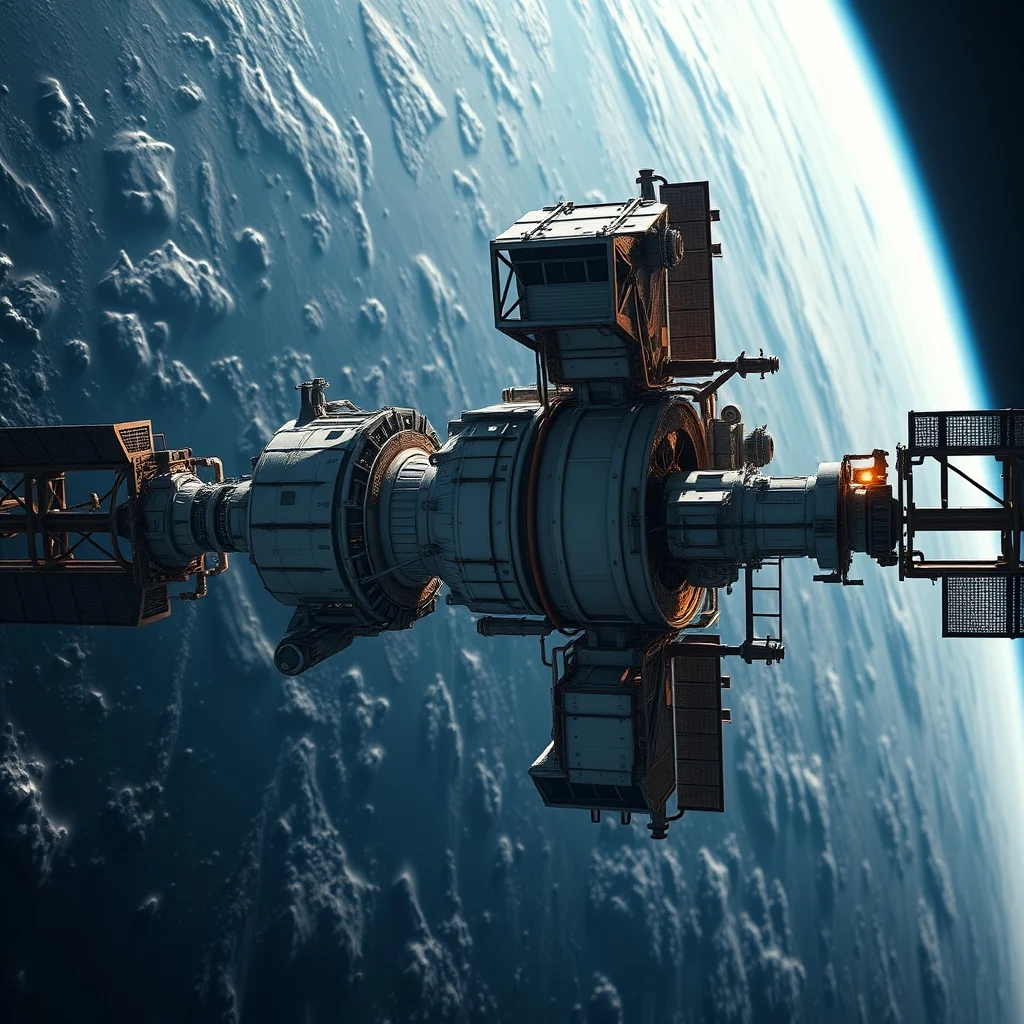
Introduction to the ISS Retirement Conundrum
The United States is embarking on an ambitious journey to establish a permanent base on the moon, but a significant challenge is looming in a much closer proximity to home. The International Space Station (ISS), a symbol of international cooperation and a cornerstone of space research, is nearing the end of its operational life. As NASA aims to return astronauts to the moon, a multibillion-dollar question mark hangs over the space agency: what will happen when the ISS retires? In this article, we will delve into the implications of the ISS retirement and the potential consequences for the US space program.
The Importance of the International Space Station
The ISS has been a vital component of space research and exploration since its inception in 1998. This low-Earth orbit laboratory has enabled scientists to conduct a wide range of experiments, from understanding the effects of microgravity on the human body to developing new technologies for space exploration. The ISS has also served as a testing ground for deep space missions, providing valuable insights into the challenges of long-duration spaceflight. With its retirement looming, NASA must consider the implications of losing this critical research platform.
Key Benefits of the ISS
- Scientific Research: The ISS has facilitated numerous scientific breakthroughs, including advancements in our understanding of the human body, the development of new materials, and the study of the Earth's climate.
- Technological Innovation: The ISS has driven the development of new technologies, such as water recycling systems, air purification systems, and advanced life support systems.
- International Cooperation: The ISS has fostered international cooperation, with multiple countries contributing to its development and operation.
- Stepping Stone for Deep Space Exploration: The ISS has served as a critical testing ground for deep space missions, providing valuable insights into the challenges of long-duration spaceflight.
The Challenges of Replacing the ISS
Replacing the ISS will be a complex and costly endeavor. NASA will need to develop a new platform that can provide the same level of research capabilities, while also addressing the evolving needs of the space program. Some of the key challenges include:
- Cost: Developing a new space station will require significant investment, potentially exceeding the $150 billion spent on the ISS.
- Technology: The new platform will need to incorporate cutting-edge technologies, such as advanced life support systems, to support long-duration missions.
- Partnerships: NASA will need to establish new partnerships with international partners, private companies, or other government agencies to share the costs and risks associated with developing a new space station.
Private Sector Solutions
One potential solution to the ISS retirement conundrum is the development of private sector space stations. Companies such as Bigelow Aerospace and Axiom Space are already working on commercial space stations that could provide a range of services, from research and development to space tourism. These private sector platforms could potentially fill the gap left by the ISS, but they will need to demonstrate their ability to provide the same level of research capabilities and safety standards as the ISS.
Conclusion: The Future of Space Exploration
The retirement of the ISS marks a significant turning point in the history of space exploration. As NASA looks to the future, it must consider the implications of losing this critical research platform and the potential consequences for the US space program. While there are challenges to be addressed, there are also opportunities for innovation and growth. By leveraging private sector solutions, international partnerships, and cutting-edge technologies, NASA can ensure that the US remains a leader in space exploration and development. The future of space exploration is uncertain, but one thing is clear: the retirement of the ISS will have a profound impact on the trajectory of space research and development.
In the coming years, NASA will need to navigate the complex landscape of space policy, international cooperation, and private sector investment to ensure that the US remains a major player in the global space community. The ISS retirement crisis is a wake-up call for the space agency, but it is also an opportunity to redefine the future of space exploration and development. As we look to the stars, we must remember that the next great leap for humanity will require collaboration, innovation, and a commitment to pushing the boundaries of what is possible.



0 Comments