
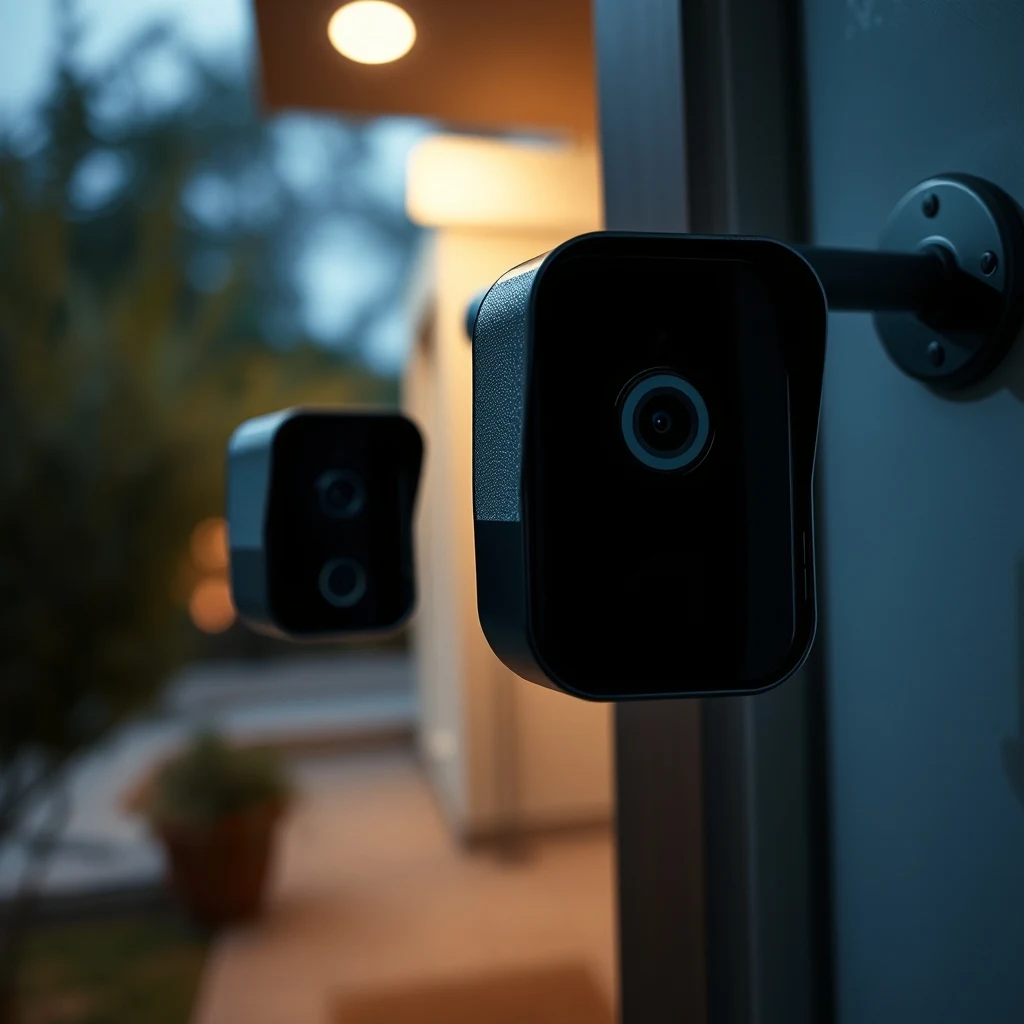
There is an undeniable sense of peace of mind that comes with installing a smart home security system. Whether it is a sleek video doorbell tracking package deliveries or a high-definition floodlight camera keeping an eye on your driveway, these modern gadgets have quickly become essential residential upgrades. They make us feel safer, more connected, and more in control of our living spaces. However, beneath the comforting glow of those active lenses lies a complex web of legal responsibilities that many homeowners completely overlook.
When you mount a camera on your outer wall, you aren't just protecting your own sanctuary. You are also stepping into the delicate territory of public spaces, neighborly boundaries, and strict data privacy regulations. In recent years, courts around the world have begun handing down serious warnings—and in some cases, heavy fines—to homeowners whose security setups cross the line from defensive vigilance to unlawful surveillance. If you have ever wondered whether your shiny new gadgets could accidentally land you in hot water, the answer is a resounding yes. Let us break down the hidden legal dangers of home surveillance and look at how you can secure your property without getting caught out.
The Shift from Private Property to Public Spaces
For generations, locking your front door and putting up a modest fence was the standard limit of home security. Today, standard consumer cameras possess fields of view wide enough to capture entire streets, passing pedestrians, and neighboring properties. This technological shift is where the legal trouble begins.
In many jurisdictions, privacy laws protect individuals from being constantly monitored without their consent once they step outside private boundaries. When your video doorbell captures more than just your porch—such as the public footpath, the road, or a neighbor's front window—you are legally processing personal data. Depending on where you live, capturing footage of people outside your property line can shift your status from a private homeowner to a data controller, subjecting you to stringent legal frameworks like the General Data Protection Regulation (GDPR) in Europe or equivalent state-level privacy statutes.
The core issue is intent versus impact. You might only want to keep an eye on your Amazon deliveries, but the legal system evaluates what your camera actually records. If your lens points directly into a neighbor’s living room or captures continuous footage of public foot traffic, you could be facing claims of harassment, invasion of privacy, or breach of data protection laws.
Real-World Legal Consequences
It is easy to brush these concerns aside as hypothetical legal theory, but real-world cases prove otherwise. Homeowners across the globe have faced severe legal backlash over poorly positioned security cameras.
Take the landmark legal battle in the UK involving homeowner Jon Woodard, whose security setup included a video doorbell and a shed camera. A neighbor complained that the cameras captured her property and private conversations. The subsequent legal ruling found that the surveillance data constituted personal data under data protection laws, leading to a substantial payout for damages and legal fees. What started as a simple anti-theft measure turned into an expensive, stressful legal nightmare.
Similarly, in various U.S. states and European countries, disgruntled neighbors have successfully sued homeowners for private nuisance and intrusion upon seclusion. When cameras capture private spaces—such as a neighbor's backyard, patio, or bedroom window—courts have repeatedly ruled that the neighbor's right to privacy outweighs the homeowner's desire for security.
Common Legal Traps Set by Smart Homeowners
Most people who run afoul of privacy laws do so out of ignorance rather than malice. To protect yourself, you need to recognize the most common traps that catch homeowners off guard.
1. The Overzealous Field of View
Wide-angle lenses are fantastic for spotting threats, but they often capture far too much. If your camera records your neighbor's front door, driveway, or windows, you are likely infringing on their privacy. Even capturing public sidewalks persistently can draw regulatory attention in stricter jurisdictions.
2. Audio Recording Without Consent
Many video doorbells don’t just record video; they record crystal-clear audio as well. While recording video in plain sight on your property is often legally defensible, recording private conversations happening on public streets or neighboring properties is a completely different legal battleground. Wiretapping and electronic surveillance laws often apply stricter rules to audio recording than to visual recording.
3. Failing to Display Warning Signs
In some regions, transparency is a strict legal requirement. If your cameras capture areas frequented by the public or service workers, failing to notify people that they are being recorded can be a direct violation of local surveillance laws. While a private home doesn't always require signs akin to a corporate office, transparency goes a long way in court.
Let us look at a quick comparison of safe versus risky surveillance practices:
| Surveillance Practice | Risk Level | Why It Matters |
|---|---|---|
| Pointing a camera exclusively at your own front porch and walkway. | Low | Remains strictly on your property and limits collateral recording. |
| Recording continuous audio of a public sidewalk or neighbor's yard. | High | Often violates wiretapping laws and local privacy regulations. |
| Masking camera zones to exclude neighbor property. | Low | Demonstrates a good-faith effort to respect surrounding privacy. |
| Pointing a floodlight camera directly into a neighbor's bedroom window. | Critical | Invites immediate legal action for harassment and invasion of privacy. |
How to Protect Yourself and Stay Compliant
Fortunately, you do not have to tear down your security system or live in fear of a lawsuit. With a few thoughtful adjustments, you can secure your home effectively while respecting the legal rights of everyone around you. Here is your step-by-step guide to staying out of legal trouble.
Step 1: Audit Your Camera Angles Today
Go outside and physically check what your cameras see. Better yet, pull up the live feed on your smartphone and walk through the perspective of a visitor, a passerby, and your immediate neighbors. Ask yourself hard questions:
- Does the lens peer into a neighbor's window?
- Does it capture their backyard or private patio?
- Does it record more of the public street than necessary?
If the answer to any of these is yes, you need to adjust your physical hardware.
Step 2: Utilize Software Privacy Zones
Most modern smart cameras—including Ring, Arlo, Eufy, and Google Nest—come equipped with software features designed to help you comply with privacy standards. Look for settings labeled Privacy Zones or Activity Zones.
Privacy zones allow you to black out specific areas within your camera's field of view. Any pixel data inside these masked zones is permanently blocked from recording or viewing. By digitally blacking out your neighbor’s front door or windows, you neutralize the legal risk instantly.
Step 3: Disable or Restrict Audio Recording
Do you really need your doorbell to record ambient street noise or private conversations? If not, turn off the audio recording feature in your camera’s app settings. Restricting your system to video-only monitoring dramatically reduces your exposure to wiretapping and electronic surveillance complaints.
Step 4: Talk to Your Neighbors
Communication is your strongest shield. Before or immediately after installing a new security camera system, have an open, friendly conversation with your neighbors. Show them where the cameras point, assure them that their privacy is respected, and let them know that your sole goal is home security.
Most legal disputes do not start because a regulator is actively patrolling neighborhoods; they start because an irritated neighbor feels spied upon and decides to take formal action. Building trust and addressing concerns early can stop a potential lawsuit before it ever begins.
Step 5: Review Local Laws and Regulations
Laws regarding home surveillance vary wildly depending on your country, state, or municipality. Take a few minutes to research local ordinances concerning residential security cameras. Knowing the specific rules in your area ensures you won't be caught off guard by unexpected compliance mandates.
Balancing Security and Neighborly Courtesy
Home security is a fundamental right, but it should never come at the expense of someone else's legal right to privacy. The beauty of modern smart technology is its incredible flexibility. With adjustable mounts, digital masking, and sensible placement, you can create an impenetrable fortress around your home without turning your neighborhood into a surveillance state.
Take charge of your security setup today. Perform that camera audit, activate those privacy zones, and keep the lines of communication open with the people living around you. By taking these proactive steps, you can enjoy absolute peace of mind—both from outside intruders and from unexpected legal troubles.



0 Comments