
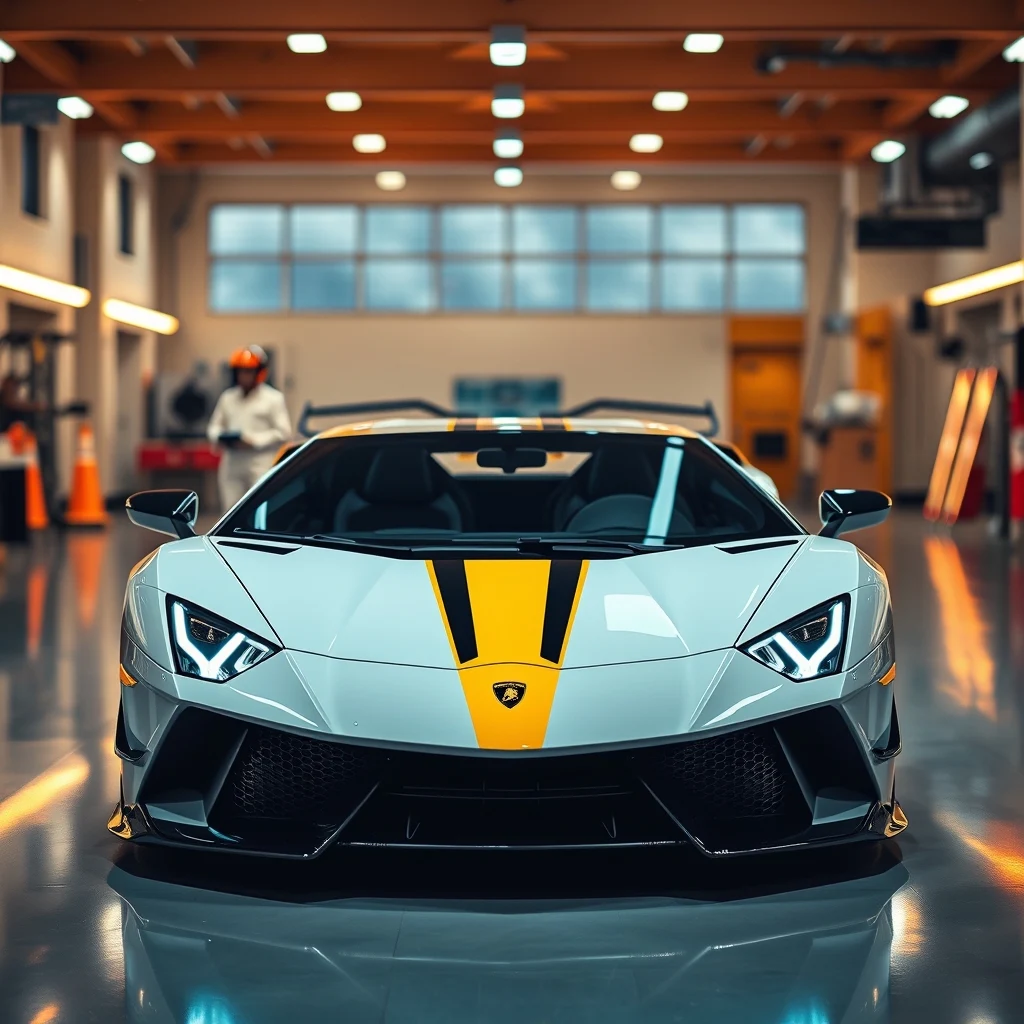
Lamborghini Honors a Legendary Supercar With High-Tech Custom Paint Engineering
When you hear the name Lamborghini, your mind immediately leaps to sharp angles, screaming V12 engines, and design choices that look like they were pulled directly out of a sci-fi blockbuster. For decades, the iconic Italian automaker from Sant'Agata Bolognese has set the global gold standard for hypercar drama. But modern automotive excellence is no longer defined solely by raw horsepower, aerodynamic downforce, or zero-to-sixty times. In the top tier of hypercar manufacturing, the exterior surface itself has become a high-tech canvas of advanced material science, chemical engineering, and artistic heritage.
Recently, Lamborghini unveiled a breathtaking tribute to one of its most legendary supercars. While casual observers might see it as simply a dazzling new color scheme, industry insiders and automotive tech enthusiasts recognize it for what it truly is: a masterclass in custom paint engineering, visual physics, and bespoke craftsmanship. Through its specialized Ad Personam customization program, Lamborghini has pushed the boundaries of automotive finish technology, blending classic mid-century visual heritage with modern aerospace-grade paint application techniques.
At TechRook, we dive deep into the fascinating intersection where cutting-edge technology meets automotive passion. In this comprehensive feature, we will explore how Lamborghini created this stunning custom finish, the precise material science behind bespoke paint formulations, the digital modeling tools that make it possible, and why the exterior coating of a hypercar is one of the most technologically demanding surfaces on the planet.
The Heritage Inspiration: Honoring an Automotive Icon
To understand why this custom finish is so important, we first have to look back at the history that inspired it. Lamborghini has built its legendary reputation on a lineage of game-changing supercars. From the breathtaking, mid-engine Miura of the late 1960s to the radically futuristic Countach, the fire-breathing Diablo of the 1990s, and the raw V12 power of the Murciélago and Aventador, each era of Lamborghini design has redefined automotive culture.
Automotive heritage is about more than just remembering old engine configurations or chassis layouts. It is deeply connected to visual identity. In the early days of supercar design, vibrant colors like Verde Miura (bright lime green), Giallo Auge (radiant yellow), and Arancio Atlas (metallic orange) broke away from the subdued black, silver, and dark blue tones that dominated traditional luxury sedans. Lamborghini established bright, daring colors as its primary signature.
This latest tribute project takes iconic visual cues from one of these historical legends and reimagines them through a modern lens. Rather than simply reproducing a vintage paint formula from fifty years ago, Lamborghini design studio Centro Stile collaborated with the technical specialists at the Ad Personam department to create a dynamic multi-tone finish. This custom paint job captures light in a way that highlights the aggressive sharp edges of modern carbon-fiber bodywork, while subtly honoring the swooping, smooth lines of its legendary predecessor.
The Physics and Chemistry of Bespoke Automotive Finishes
Many people assume that painting a car is a straightforward process of spraying pigment onto a metal frame. However, on a contemporary hypercar built predominantly from lightweight carbon-fiber reinforced polymers (CFRP), the painting process is an incredibly complex chemical challenge. Painting carbon fiber requires fundamentally different techniques than painting traditional steel or aluminum body panels.
Carbon fiber is a porous, composite material with microscopic surface variations and weave patterns. If you apply standard automotive paint directly onto raw carbon fiber, the resin absorbs the liquid unevenly, causing subtle visual defects, texture distortion, and weight imbalance. To achieve a flawless mirror finish, paint engineers must utilize specialized chemical primers and multi-layered sealing coats designed to bond perfectly with carbon composite substrates without adding unnecessary weight.
Understanding the Multi-Layer Paint Architecture
The specialized finish developed for this tribute supercar relies on an intricate, multi-layer paint architecture. Every layer serves a specific structural, protective, or visual purpose:
- Substrate Preparation Layer: An ultra-lightweight epoxy surface sealer that fills microscopic pores in the underlying raw carbon fiber weave without dulling its structural integrity.
- Conductive Primer Coat: A specialty electrostatically responsive primer that ensures smooth, perfectly uniform distribution of liquid paint droplets across non-metallic surfaces.
- Base Color Coat (Pigment Layer): A densely pigmented base layer that contains precisely calibrated color particles. In high-end tribute paint jobs, this layer often features liquid crystal pigments or synthetic mica flakes that shift hue based on the angle of incoming light.
- Transition / Gradient Layer: For complex dual-tone and fade finishes (often featured in special edition Opera Unica releases), skilled technicians apply specialized secondary tint layers entirely by hand to create seamless, gradual color blends across dramatic body contours.
- Nanotechnology Clear Coat: Multiple layers of high-grade clear resin infused with ceramic nanoparticles and advanced ultraviolet (UV) blockers. This outer protective shell shields the delicate paint pigments from oxidation, thermal damage, and road debris while delivering an intense optical depth.
The Ad Personam Department: Where Digital Precision Meets Hand Craftsmanship
The creation of a custom tribute finish takes place within Lamborghini's legendary Ad Personam studio in Sant'Agata Bolognese. This specialized division allows customers and internal designers to customize every single millimeter of a vehicle. But turning a concept design into reality requires a high-tech combination of advanced digital modeling and meticulous, slow-paced hand labor.
Before a single drop of paint touches a vehicle, software engineers create a complete digital twin of the supercar inside an advanced virtual reality environment. Using proprietary surface renderers, designers simulate how light rays refract across the vehicle's bodywork under different weather conditions, light intensities, and times of day. This virtual mapping allows engineers to adjust the density of metallic flakes and the angle of color gradients with sub-millimeter precision long before physical application begins.
Once the digital model is perfected, the physical work shifts to master paint technicians. While mainstream assembly lines rely entirely on automated robotic spray arms, bespoke hypercar painting demands human artistic judgment. A master painter must control the spray gun distance, fluid pressure, movement speed, and atmospheric temperature with incredible accuracy. A slight variation in atmospheric humidity or spray angle can ruin the complex light-shifting properties of specialized mica and metallic flakes.
The Custom Masking and Hand-Sanding Process
One of the most labor-intensive phases of creating a complex heritage tribute paint scheme is the masking process. To create distinct color boundaries, dynamic geometric patterns, or subtle tribute logos across the bodywork, technicians must apply micro-thin adhesive tape entirely by hand across the vehicle's complex curves.
Unlike standard automotive tape, which can leave tiny ridges or adhesive residue behind, high-precision paint masking tape is engineered down to the micron level. It leaves perfectly crisp lines while allowing painters to create smooth transitions between contrasting dark and light shades. Between each coat of clear varnish, technicians spend dozens of hours hand-sanding the vehicle with wet ultra-fine sandpapers (up to 3000-grit or higher). This laborious process flattens any tiny surface imperfections, creating a perfectly smooth liquid-like depth known in the high-end car world as a "wet look" finish.
Technical Comparison: Standard Automotive Painting vs. High-Tech Bespoke Finishes
To truly appreciate the incredible effort and technology required to produce a custom heritage paint finish like this, it helps to compare standard mass-production paint techniques with Lamborghini's bespoke Ad Personam process.
| Technical Feature | Standard Mass Production Vehicle | Lamborghini Bespoke Heritage Finish |
|---|---|---|
| Primary Substrate Material | Pressed Steel / Stamped Aluminum | Carbon Fiber Composite (CFRP) & Forged Composites |
| Total Paint Application Time | Approximately 6 to 12 Hours | Between 200 and 450+ Hours |
| Application Method | Fully Automated Robotic Spraying | Robotic Base Application + Hand-Blended Artistry |
| Paint Thickness (Microns) | 80 - 120 Microns | 180 - 250+ Microns (Precision Layered) |
| Clear Coat Technology | Standard Polyurethane Clear Coat | Nanotechnology Ceramic-Infused UV Protection Resin |
| Color Complexity | Single or Dual-Coat Metallic / Pearl | Multi-Tone Gradient, Hand-Painted Pinstripes, Custom Flake Density |
| Surface Leveling Process | Automated Chemical / Buffing Line | Multi-Stage Wet Hand-Sanding and Optical Inspection |
Nanotechnology and Advanced Pigment Innovation
What makes contemporary custom paint jobs far superior to those of the 1970s or 1980s is the huge leap forward in chemical engineering and nanotechnology over the last two decades. The paint used on this tribute hypercar is a far cry from vintage enamels or simple lacquers.
Modern paint chemistry makes heavy use of specialized optical pigments. Traditional metallic paint uses simple aluminum flakes suspended in liquid binder to reflect light. While this produces a nice sparkle, it is optically static. In contrast, modern hypercar paints often incorporate advanced synthetic mica crystals coated with microscopic layers of titanium dioxide or iron oxide. These engineered crystals cause light waves to bend, split, and refract at distinct angles through a process known as optical thin-film interference.
The practical result is a dramatic visual phenomenon called the "flop effect." As the hypercar moves down the road or accelerates through a corner, the body color dynamically changes depending on your viewing perspective. Under direct sunlight, a single panel can smoothly transition from a deep, rich indigo to a fiery amber, highlighting the vehicle's sharp aerodynamic lines in ways that flat paint simply cannot match.
Self-Healing clear coats and Hydrophobic Surfaces
Applying an ultra-expensive paint finish to a hypercar capable of speeds over 200 miles per hour comes with obvious practical risks. Stone chips, gravel impacts, micro-scratches from washing, and atmospheric pollution can ruin an irreplaceable finish in seconds. To protect these automotive masterpieces, chemical research facilities have developed self-healing topcoats.
These advanced clear coats contain elastic polymer chains that retain chemical memory. When the surface receives a minor swirl scratch or micro-abrasion, exposure to mild heat—such as parking the car under direct sunlight or gently applying warm water—causes the cross-linked polymer molecules to expand and reflow back into their original uniform shape. This self-healing effect repairs microscopic surface damage automatically, keeping the paint pristine without requiring aggressive mechanical polishing that strips away valuable clear coat layers over time.
Aerodynamic Engineering and Paint Mass Considerations
In the world of high-performance hypercars, every single gram matters. Engineers spend millions of dollars developing ultra-light carbon fiber chassis, titanium exhaust systems, and magnesium wheels just to shave a few pounds off the vehicle's overall curb weight. This raises a crucial question: How does adding multiple layers of heavy liquid paint affect vehicle performance and aerodynamics?
A typical multi-layer custom paint finish can easily add anywhere from 10 to 20 kilograms (22 to 44 pounds) of total mass to a car if applied improperly. For track-focused hypercars, that added mass is unacceptable. To solve this problem, paint scientists at Lamborghini work closely with aerodynamicists and weight management engineers to carefully calculate the precise wet-film and dry-film thickness of every application layer.
Using ultra-precise ultrasonic thickness gauges, technicians measure the paint depth across every body panel in real time. This ensures that the paint is thick enough to deliver deep optical luster and reliable UV protection, but thin enough to avoid adding unnecessary structural weight. Furthermore, the final ceramic clear coat is polished down to an ultra-smooth finish that actively reduces microscopic air turbulence (skin friction drag) as the supercar slices through the air at elevated speeds.
The Rising Value of Bespoke Art in the Collector Market
While the technical engineering behind custom automotive finishes is undeniably impressive, there is also a major financial side to this story. In the hyper-exclusive world of modern supercars, customization drives long-term collector value. A standard factory hypercar will always command respect, but a unique, factory-certified one-off or limited-series tribute model featuring a bespoke Ad Personam paint job frequently sees its resale value skyrocket at high-profile collector auctions.
Automobile collectors no longer view supercars merely as fast machines to drive on weekends; they treat them as modern kinetic art installations. When Lamborghini creates a tribute paint scheme that carefully links a brand-new hybrid hypercar back to a legendary mid-century icon, they are bridging the gap between historical heritage and futuristic performance.
By keeping complete documentation, color codes, and digital render maps of these specialized custom finishes inside their official archives at Sant'Agata Bolognese, Lamborghini provides rock-solid provenance. This factory authentication guarantees that the custom paint job is a genuine piece of automotive history rather than an aftermarket repaint, protecting the vehicle's investment potential for decades to come.
Step-by-Step Breakdown: How a Legend’s Tribute Finish Is Created
To give you a clear look at the incredible care that goes into every single detail, here is the step-by-step process used to apply a high-tech tribute finish:
- Digital Concept Render: The design team at Centro Stile collaborates with the owner or project leads to create precise 3D digital renders using specialized ray-tracing software.
- Carbon Fiber Preparation: Structural body panels undergo thermal conditioning and fine hand-sanding to eliminate surface air bubbles and equalize resin density across all panels.
- Sealing & Primer Application: Specialized non-porous epoxy sealers and conductive primers are applied in climate-controlled spray booths to guarantee optimal adhesion.
- Basecoat Spraying: Master technicians apply multi-stage base coats infused with engineered mica crystals and interference pigments to establish the core visual color.
- Hand-Masking & Graphic Application: Flexible, high-precision masking tapes are placed by hand across the sharp body lines to lay down dynamic two-tone fades, accent lines, or heritage badges.
- Intermediate Clear Coat & Wet Sanding: The car receives its initial protective clear coat, which is then carefully hand-sanded back down using ultra-fine grits to smooth out mask ridges.
- Final Ceramic Nanocoat & Heat Curing: The final high-gloss, UV-resistant ceramic clear coat is applied and cured in high-temperature industrial baking ovens to set the polymer cross-links.
- Optical Quality Control: Inspection teams place the bodywork under high-intensity LED light tunnels to spot and correct microscopic flaws, guaranteeing a flawless, mirror-like finish before final reassembly.
The Future of High-Tech Automotive Surface Personalization
As we look ahead to the future of high-performance automobiles, custom paint and surface technology will only grow more impressive and high-tech. With the hypercar industry rapidly shifting toward hybrid setups and all-electric powertrains, visual differentiation and advanced material science will play an even bigger role in captivating auto enthusiasts worldwide.
We are already seeing early experiments with active electrochromic paint coatings—finishes that can change colors at the push of a button using micro-electrical currents—as well as temperature-sensitive pigments and ultra-matte light-absorbing coatings like Vantablack derivatives. Furthermore, sustainable water-based solvent formulations and bio-based resins are being developed to reduce the environmental impact of paint manufacturing without sacrificing durability, optical depth, or dynamic light refraction.
Lamborghini’s ongoing dedication to honoring its historical icons through cutting-edge paint technology demonstrates that true automotive innovation is about far more than just top speed and track lap times. It is about emotional connection, artistic expression, and celebrating mechanical history through world-class engineering.
Final Thoughts from TechRook
In an era where modern cars can sometimes feel homogenous and overly reliant on digital screens, projects like this custom Lamborghini tribute remind us of the raw passion, artistry, and chemistry that make the automotive world so exciting. Combining the historical DNA of a classic supercar icon with modern, nanotechnology-infused paint systems proves that honor and innovation can coexist seamlessly on the very same carbon-fiber panel.
Whether you are a lifelong automotive fan, a tech enthusiast curious about composite materials, or simply someone who appreciates incredible design, there is no denying the stunning impact of a hypercar finished to perfection. Lamborghini hasn’t just given a legendary supercar a fancy paint job—they’ve engineered a moving piece of art that bridges the gap between historical heritage and the future of hypercar design.



0 Comments