
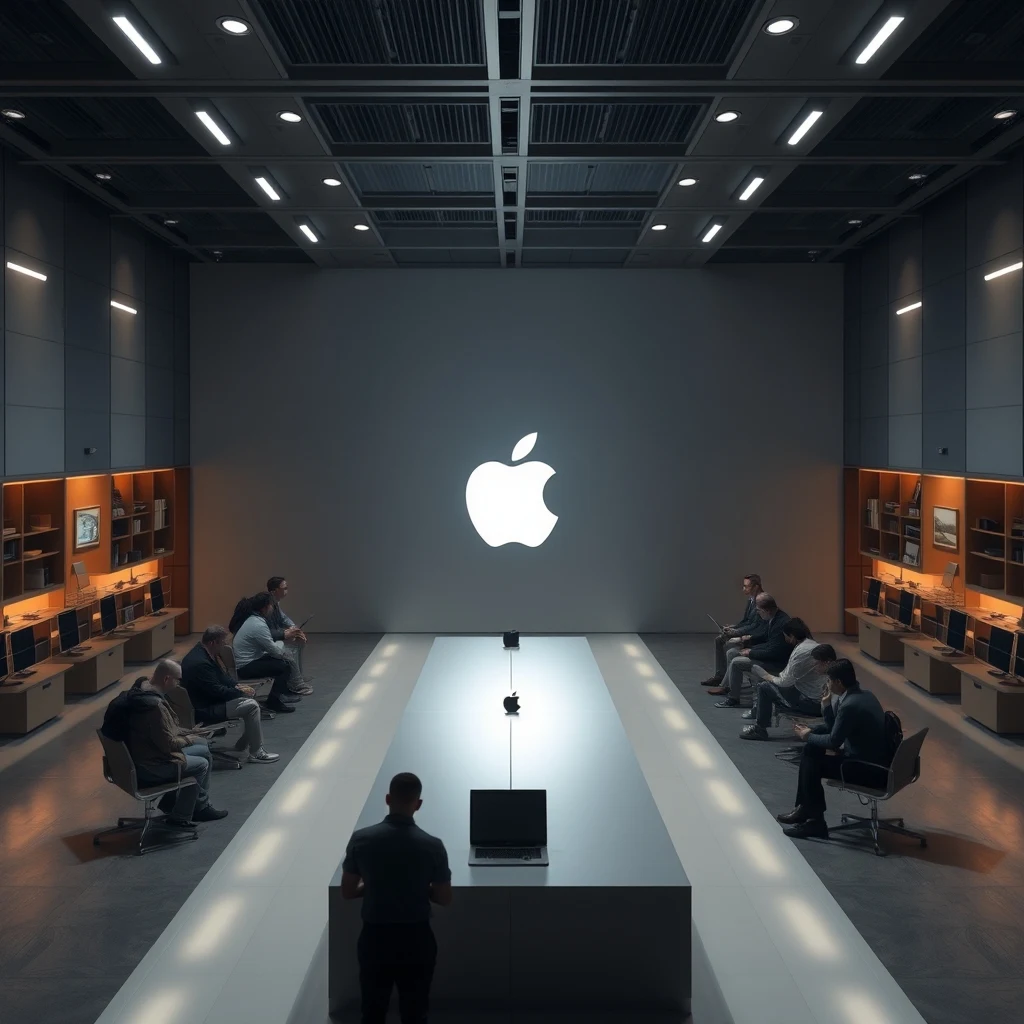
Apple Lays Off Dozens of Engineers at Headquarters: What This Means for Silicon Valley
Welcome back to TechRook, your trusted source for the latest updates, deep dives, and expert analysis in the ever-evolving world of technology. Today, we are turning our attention to a developing story that is sending ripples through the tech community. According to recent reports by SFGATE, Apple has laid off dozens of engineers at its Silicon Valley headquarters. While Apple is traditionally known for steady growth and massive hiring sprees, this recent move highlights a broader trend of recalibration across the tech sector. In this comprehensive article, we will break down the details of the layoffs, examine the specific divisions affected, explore the underlying economic and strategic shifts driving these decisions, and offer guidance on how tech professionals can navigate this shifting landscape.
Understanding the News: What Happened at Apple Headquarters?
For months, the tech industry has been watching giants like Meta, Google, and Amazon streamline their operations through massive workforce reductions. Until recently, Apple managed to largely avoid the deep, sweeping layoffs that plagued its Big Tech peers. However, the recent report from SFGATE changes that narrative, revealing that Apple has quietly let go of dozens of engineers.
These cuts are not happening in an isolated vacuum. They are part of a targeted structural realignment within specific teams at Apple’s Cupertino headquarters. While the total number of affected employees may seem small compared to the tens of thousands laid off by other corporations over the last two years, the symbolic weight of layoffs at Apple is massive. Apple has long been viewed as a fortress of job security in Silicon Valley. When Apple makes cuts, the entire industry takes notice.
The affected workers span various engineering disciplines, suggesting that leadership is reallocating resources away from certain legacy or experimental projects and toward high-priority areas, particularly artificial intelligence (AI) and next-generation hardware development. As the tech landscape matures, companies are shifting their financial focus from rapid expansion to rigorous operational efficiency.
A Closer Look at the Affected Divisions
To truly understand why these layoffs occurred, we need to look at where the cuts were concentrated. Tech companies rarely reduce headcounts across the board without a strategic reason. Instead, they prune projects that are no longer aligned with their primary five-year goals.
Shifting Priorities Away from Legacy Projects
Reports indicate that a significant portion of the impacted engineers were working on hardware and software initiatives that either faced prolonged delays or failed to align with Apple’s urgent pivot toward AI infrastructure. For years, Apple invested heavily in exploratory R&D. While this approach produced groundbreaking products like the Apple Vision Pro, it also created bloated departments that required constant funding without guaranteed consumer adoption.
When economic pressures mount and research costs rise, executive leadership is forced to make difficult choices. By trimming teams associated with stalled or lower-priority hardware projects, Apple is freeing up capital to fund its aggressive catch-up game in generative artificial intelligence.
The Internal Pivot Toward Artificial Intelligence
It is no secret that Apple entered the generative AI race slightly behind competitors like OpenAI, Microsoft, and Google. Although the company recently unveiled Apple Intelligence with great fanfare, the race to dominate personal device AI is far from over. Integrating advanced machine learning models into iPhones, iPads, and Macs requires immense computational power, specialized engineering talent, and massive data infrastructure.
To fund this transition, Apple is restructuring its workforce. Engineers whose skill sets do not directly support AI integration, machine learning, or core operating system development find themselves vulnerable to downsizing. This is a classic corporate pivot: shedding specialized non-core engineering roles to aggressively recruit and retain top-tier AI researchers and developers.
The Broader Tech Industry Context
Apple’s recent layoffs do not happen in a vacuum. They are part of a mature phase in the tech industry lifecycle. To understand the current climate, it helps to look at the macroeconomic factors influencing Silicon Valley as a whole.
The Post-Pandemic Correction
During the COVID-19 pandemic, technology companies experienced an unprecedented boom. Stuck at home, consumers bought record numbers of laptops, tablets, and smartphones, while businesses rushed to digitize their operations. Tech giants went on historic hiring sprees, anticipating that this hyper-growth trajectory would continue indefinitely.
However, as the world returned to normal and inflation rose, consumer spending habits shifted. The tech sector entered a necessary, albeit painful, period of post-pandemic correction. Companies realized they were overstaffed and that their revenue growth could no longer support bloated payrolls. What we are seeing now at Apple is the tail end of this industry-wide belt-tightening.
Rising Interest Rates and Venture Capital Caution
For over a decade, ultra-low interest rates allowed tech companies to borrow money cheaply and invest aggressively in moonshot projects. Today, higher interest rates mean that capital is expensive. Corporate boards and shareholders are demanding immediate profitability and fiscal discipline rather than speculative long-term bets that do not guarantee a return on investment.
Even cash-rich giants like Apple are adopting a conservative financial posture. Every dollar spent on R&D is scrutinized, and projects that do not show a clear path to market dominance or direct monetization are quietly shelved—along with the teams that support them.
Impact on Silicon Valley and the Local Economy
The news from SFGATE has sparked renewed anxiety across the San Francisco Bay Area. For decades, Silicon Valley has thrived on the promise of endless innovation and high-paying tech jobs. When Apple cuts engineering jobs, the ripple effects are felt throughout the local economy.
- Housing Market Realignment: High-earning tech engineers drive much of the Bay Area housing market. Layoffs, even at a localized scale, contribute to a cooling housing and rental market in Cupertino and surrounding cities.
- Startup Ecosystem Boost: On the bright side, talent mobility is a vital driver of innovation. When talented engineers leave established giants like Apple, many choose to join early-stage startups or launch their own ventures, injecting fresh energy into the entrepreneurial ecosystem.
- Changing Career Expectations: The myth of the lifelong job at a single Big Tech company is officially dead. Professionals are increasingly adopting an agile mindset, viewing their careers as a portfolio of projects rather than a linear climb up a corporate ladder.
How Tech Professionals Can Protect Their Careers
If a titan like Apple can lay off dozens of engineers, it serves as a powerful wake-up call for anyone working in the technology sector. Job security in tech is no longer guaranteed by the name of the company on your resume. At TechRook, we believe in empowering our readers with actionable strategies to future-proof their careers.
1. Continuously Upskill in High-Demand Areas
The technology landscape changes at lightning speed. Skills that made you invaluable five years ago may be obsolete today. To remain competitive, you must continuously learn and adapt.
- Embrace Artificial Intelligence: Whether you are a software engineer, a product manager, or a hardware specialist, understanding how to integrate AI tools into your daily workflow is essential.
- Master Cloud Architecture: Modern infrastructure relies heavily on cloud computing, microservices, and distributed systems. Deepening your knowledge in these areas makes you indispensable.
- Develop Cross-Functional Expertise: Engineers who understand business strategy, user experience design, and project management are far more valuable than those who operate in a narrow technical silo.
2. Build and Maintain a Strong Professional Network
Your network is your safety net. Many of the best career opportunities are never publicly posted on job boards; they are secured through personal recommendations and industry connections. Attend local tech meetups, participate in open-source projects, and stay active on professional platforms like LinkedIn.
3. Keep Your Financial House in Order
The unpredictable nature of the tech industry makes personal financial planning crucial. Building an emergency fund that can cover three to six months of living expenses provides immense peace of mind. Knowing that you have a financial buffer allows you to navigate unexpected career transitions with confidence rather than panic.
Looking Ahead: What is Next for Apple?
Despite these recent layoffs, Apple remains one of the most profitable and influential corporations in human history. The company’s ability to pivot, streamline, and refocus its engineering talent is precisely what has kept it at the top of the tech world for decades.
As Apple shifts its focus toward artificial intelligence, augmented reality, and advanced silicon design, we can expect the company to continue hiring selectively. The engineers being let go today possess world-class skills that will undoubtedly find welcoming homes across Silicon Valley's vibrant ecosystem. Meanwhile, Apple will press forward with its strategic vision, aiming to define the next era of personal computing.
Conclusion
The SFGATE report detailing the layoff of dozens of engineers at Apple headquarters serves as a sobering reminder of the realities of the modern tech industry. Even the most successful companies must occasionally prune their operations, redirect capital, and adapt to changing market conditions. For tech professionals, this moment underscores the importance of continuous learning, financial preparedness, and adaptability.
At TechRook, we will continue to monitor this story and provide you with timely updates, expert analyses, and career advice. Stay tuned to our blog for more insights into the ever-changing world of technology, and remember to keep learning, keep building, and stay ahead of the curve.



0 Comments