
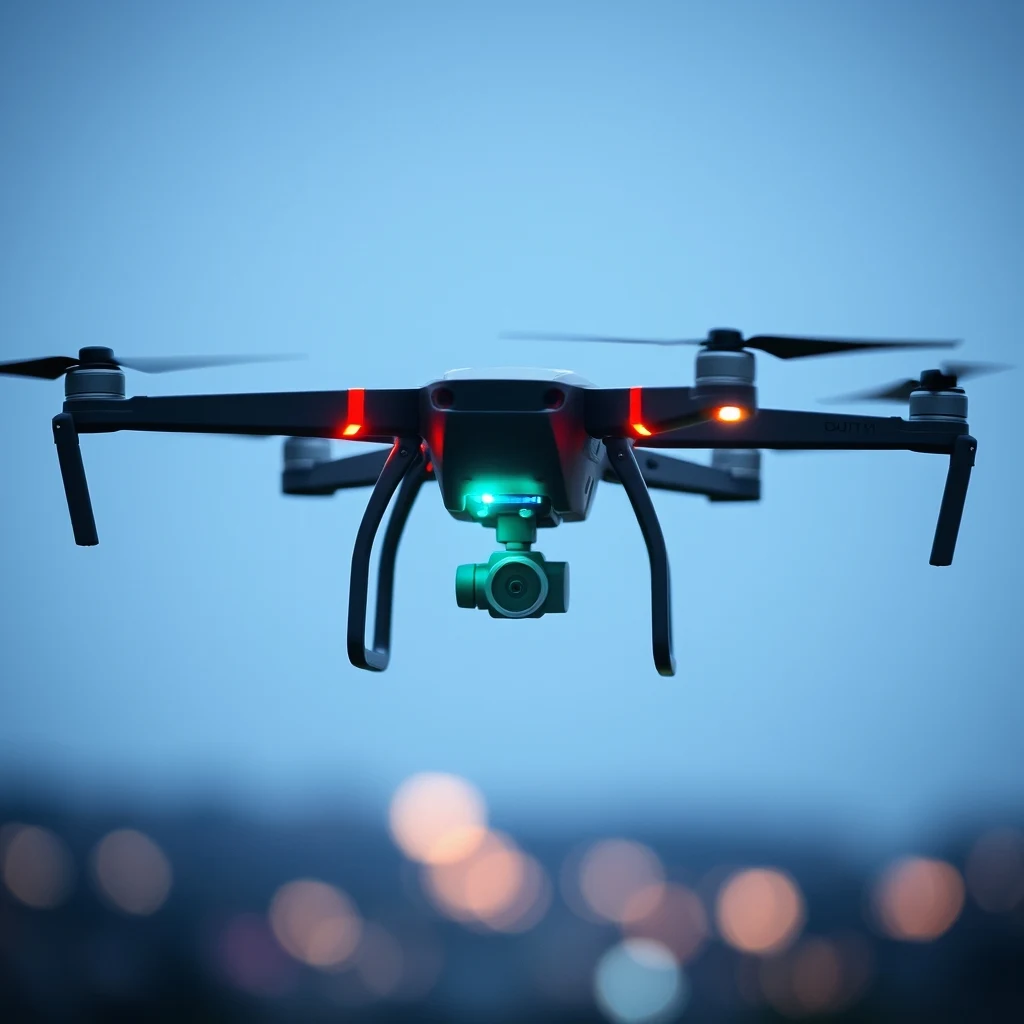
The sky is no longer the limit for content creators, photography enthusiasts, and adventure seekers. Aerial photography and videography have transitioned from expensive Hollywood productions to accessible hobbies that almost anyone can enjoy right from their backyard. At the center of this revolution stands one dominant brand: DJI. Controlling a massive portion of the global consumer and professional drone market, DJI has built an ecosystem that caters to complete beginners, casual travelers, seasoned cinematographers, and thrill-seeking FPV pilots alike.
However, entering the DJI universe can feel overwhelming. With product lines named Mini, Air, Mavic, Avata, and Inspire, combined with complex model variations, generational naming conventions, and bundled packages, deciding which flyer deserves your hard-earned money is a daunting task. Are you looking for something light enough to bypass registration regulations? Do you need high-end cinematic glass with telephoto options? Or are you craving an immersive, first-person flight experience?
Here at TechRook, we have thoroughly analyzed and evaluated the entire current lineup of DJI flyers. This guide will decode DJI's distinct drone ranges, explain crucial regulatory rules, highlight the essential technical specifications you must look for, and recommend the best drones available today for every skill level and budget.
Understanding the 249-Gram Magic Number: Why Weight Matters
Before examining cameras, flight modes, or battery life, it is essential to understand drone regulations. In many countries around the world, including the United States (via the Federal Aviation Administration), the United Kingdom (via the Civil Aviation Authority), and European Union member states, drone regulations are largely determined by takeoff weight.
The critical threshold you will encounter constantly is 249 grams (0.55 pounds).
Drones that weigh under 250 grams fall into a lower-risk regulatory tier. In the United States, for instance, a sub-249g drone flown strictly for recreational purposes does not require registration with the FAA before taking flight. In the UK and EU, sub-249g drones face fewer flight distance restrictions relative to bystanders, allowing for greater versatility when capturing outdoor landscapes and family gatherings.
DJI explicitly engineered the "Mini" lineup to come in at exactly 249 grams with a standard battery installed. If you prefer to unbox your drone and take to the skies with minimal administrative setup, a sub-249g model should be at the very top of your list. Once you step up to heavier aircraft like the DJI Air or Mavic series, you will need to complete simple online registrations and obey stricter operational boundaries.
Decoding the DJI Product Ranges
To choose the right drone, you first need to understand how DJI categorizes its aircraft. Each product family targets a specific type of user, balance of features, and price point.
1. The DJI Mini Series: Compact, Lightweight, and Accessible
The Mini series represents DJI's ultra-portable, sub-249g category. These drones fold down into a package roughly the size of a smartphone, making them perfect companions for backpackers, travelers, and complete beginners. Do not let their small size fool you—modern Mini drones pack serious imaging power, high-tech obstacle sensing, and remarkable wind resistance into tiny frames.
- Best For: Travelers, beginners, casual creators, and regulatory-conscious flyers.
- Key Characteristics: Ultra-light weight (sub-249g), compact folding design, strong flight times, and surprisingly capable sensors.
2. The DJI Air Series: The Mid-Range Sweet Spot
The Air series sits right between the entry-level Mini models and the high-end professional Mavic aircraft. These drones weigh more than 249 grams, meaning they require registration, but in exchange, they deliver superior stability in heavy winds, dual-camera systems, longer transmission ranges, and professional flight capabilities. The Air series is ideal for enthusiasts who want advanced cinematic tools without spending thousands of dollars on high-end production equipment.
- Best For: Content creators, serious hobbyists, and landscape photographers wanting dual focal lengths.
- Key Characteristics: Multi-camera payloads, enhanced wind resistance, higher speed, and robust omnidirectional safety systems.
3. The DJI Mavic Series: Professional Cinematic Power
The Mavic series is DJI's flagship line for serious filmmakers, professional photographers, and commercial operators. Featuring large image sensors developed in partnership with legendary camera brand Hasselblad, Mavic drones deliver extraordinary dynamic range, exceptional low-light performance, variable apertures, and advanced color profiles like D-Log. They are larger and heavier, but their image quality is unmatched in the consumer space.
- Best For: Professional videographers, commercial aerial photographers, and uncompromising image quality purists.
- Key Characteristics: Large 4/3 CMOS sensors, adjustable aperture, multi-lens camera arrays, Apple ProRes support on Cine models, and top-tier flight duration.
4. The DJI Avata Series: Immersive First-Person View (FPV)
Unlike traditional photography drones that are designed to sit gracefully in the air while capturing smooth landscape video, the Avata series is engineered for high-octane immersion. Operated while wearing video goggles that display a real-time feed directly from the camera, these drones feature built-in propeller guards and intuitive motion controllers. They allow users to sweep through tight spaces, weave through trees, and perform acrobatic flips effortlessly.
- Best For: Action enthusiasts, immersive flight fans, and creators wanting dynamic, high-speed indoor or close-quarters footage.
- Key Characteristics: Enclosed propellers, Goggles integration, motion-controlled steering, durable frame, and unique camera angles.
Top-Rated DJI Drones Reviewed
Now that you understand how the product line is structured, let us examine our top-rated DJI drones available today, detailing their features, capabilities, and ideal use cases.
1. DJI Mini 4 Pro: The Ultimate Lightweight All-Rounder
The DJI Mini 4 Pro represents the absolute pinnacle of what can be engineered under the 249-gram limit. It takes everything that made its predecessors popular and enhances it with flagship-grade flight safety and image processing capabilities.
The Mini 4 Pro features a 1/1.3-inch CMOS camera sensor capable of capturing 48MP photos and crisp 4K video at up to 60fps in HDR, or high-frame-rate 4K at 100fps for dramatic slow-motion clips. Crucially, it incorporates True Vertical Shooting, which mechanically rotates the camera gimbal 90 degrees to shoot native, uncropped vertical video designed specifically for Instagram Reels, TikTok, and YouTube Shorts.
Safety has seen a dramatic upgrade as well. The Mini 4 Pro is equipped with omnidirectional obstacle sensing, utilizing fisheye lenses and 3D ToF sensors to detect hazards in every direction. Combined with DJI's Advanced Pilot Assistance Systems (APAS), the drone can automatically route around obstacles in real time, making it exceptionally safe for beginners navigating complex environments.
Key Specifications:
- Takeoff Weight: < 249g
- Video Resolution: 4K at 60fps HDR, 4K at 100fps
- Camera Sensor: 1/1.3-inch CMOS
- Max Flight Time: Up to 34 minutes (standard battery)
- Obstacle Sensing: Omnidirectional
Why You Should Buy It: If you want top-tier camera performance and advanced safety features without dealing with drone registration requirements, the Mini 4 Pro is the single best drone on the market today.
2. DJI Air 3: Double the Focal Length, Double the Creativity
For creators who find single-camera setups limiting, the DJI Air 3 offers incredible creative flexibility through its dual-primary camera system. It houses two distinct sensors within its compact gimbal: a 24mm equivalent wide-angle lens and a 70mm equivalent 3x medium telephoto lens. Both cameras feature identical 1/1.3-inch CMOS sensors, ensuring consistent color reproduction and image quality regardless of which focal length you switch to mid-flight.
The 3x telephoto camera is a total gamechanger for aerial videography. It compresses the perspective between your subject and the background, making landscapes look grander and allowing you to capture subjects safely from a comfortable distance without flying directly over them.
The Air 3 also benefits from remarkable battery performance, delivering up to 46 minutes of flight time on a single charge. Its O4 HD video transmission system provides an incredibly stable signal up to 20 kilometers (12.4 miles) away in optimal conditions, with crisp 1080p/60fps live views back to your controller.
Key Specifications:
- Takeoff Weight: 720g
- Video Resolution: 4K at 60fps HDR, 4K at 100fps
- Camera Payload: Dual Cameras (Wide + 3x Medium Telephoto)
- Max Flight Time: Up to 46 minutes
- Transmission: DJI O4 HD Transmission
Why You Should Buy It: The 3x telephoto lens completely changes how you frame aerial shots. If you are serious about creative photography and want extended flight times, the Air 3 delivers unbelievable performance for its price point.
3. DJI Mavic 3 Pro: The Unrivaled Cinematic Titan
When image quality is paramount and client expectations are high, the DJI Mavic 3 Pro is the industry workhorse. It features the world's first triple-camera system on a consumer-accessible drone, offering three distinct focal lengths: a main 24mm Hasselblad camera, a 70mm medium telephoto camera, and a 166mm full telephoto lens.
The main camera features a massive 4/3 CMOS Hasselblad sensor with a adjustable aperture ranging from f/2.8 to f/11. This large sensor delivers 12.8 stops of dynamic range, recording incredible highlights and deep shadow detail even during harsh mid-day sun or dim twilight scenes. It shoots 5.1K resolution video at up to 50fps and captures 12-bit RAW photos that give professional photo editors massive latitude in post-processing.
For high-end Hollywood workflows, DJI offers the Mavic 3 Pro Cine variant, which features built-in 1TB SSD storage and native support for Apple ProRes 422 HQ, ProRes 422, and ProRes 422 LT encoding across all three cameras.
Key Specifications:
- Takeoff Weight: 958g
- Video Resolution: 5.1K at 50fps, 4K at 120fps
- Camera Payload: Triple Cameras (24mm Hasselblad 4/3, 70mm Tele, 166mm Tele)
- Max Flight Time: Up to 43 minutes
- Color Profiles: 10-bit D-Log M, HLG, 12-bit RAW
Why You Should Buy It: If you are producing commercial videography, high-end real estate tours, or cinematic short films, the Mavic 3 Pro's 4/3 Hasselblad camera provides image quality that simply cannot be matched by smaller drones.
4. DJI Avata 2: Thrilling First-Person View Made Simple
Traditional camera drones move deliberately through the air to keep shots steady. The DJI Avata 2, on the other hand, puts you inside the cockpit. Worn with the DJI Goggles 3, the Avata 2 stream a high-frame-rate, ultra-low-latency video feed directly to your eyes, giving you the physical sensation of soaring through the skies like a bird.
Pairing the drone with the single-handed DJI RC Motion 3 controller makes flying astonishingly intuitive. Point the controller where you want to go, squeeze the trigger to accelerate, and tilt your wrist to bank smoothly through turns. The Avata 2 also introduces "Easy ACRO" modes, allowing beginner pilots to perform dramatic flips, rolls, and drift maneuvers at the push of a single button.
Designed with durability in mind, the Avata 2 features built-in propeller guards. If you collide with a tree branch or a wall while maneuvering indoors, it will usually bounce off and keep flying. Even if it flips over onto its back, activating "Turtle Mode" will cause the drone to automatically flip itself upright and take off again.
Key Specifications:
- Takeoff Weight: 377g
- Video Resolution: 4K at 60fps, 2.7K at 120fps (Ultra-Wide FOV)
- Camera Sensor: 1/1.3-inch CMOS with 155-degree Super-Wide Field of View
- Max Flight Time: Up to 23 minutes
- Unique Features: Integrated propeller guards, Goggles 3 support, Turtle Mode
Why You Should Buy It: If you find traditional drone flight predictable and want an adrenaline-pumping, highly engaging aerial experience that shoots dynamic, fast-paced video, the Avata 2 is unmatched.
5. DJI Mini 3: The Best Budget-Friendly Entry Point
If you are looking to step into the DJI ecosystem without spending a fortune, the standard DJI Mini 3 remains one of the best value-for-money drones available today. Positioned beneath the Mini 4 Pro, the Mini 3 sacrifices advanced features like omnidirectional obstacle avoidance, but retains all the essential features that matter to casual users.
It sports a capable 1/1.3-inch sensor that captures high-quality 4K HDR video and sharp photos. It also includes the popular True Vertical Shooting mechanism for social media creation, boasts exceptional battery life (up to 38 minutes with the standard flight battery), and keeps the overall takeoff weight strictly under 249 grams.
Key Specifications:
- Takeoff Weight: < 249g
- Video Resolution: 4K HDR at 30fps
- Camera Sensor: 1/1.3-inch CMOS
- Max Flight Time: Up to 38 minutes
- Obstacle Sensing: Downward only
Why You Should Buy It: The Mini 3 is the ideal gift or starter drone for budget-conscious buyers who want genuine 4K image quality and long battery life without paying extra for complex safety sensors.
Side-by-Side Comparison Matrix
To help you compare our top recommendations quickly, here is a breakdown of key specs across the primary DJI lineup:
| Model | Takeoff Weight | Camera Specs | Max Flight Time | Key Advantage |
|---|---|---|---|---|
| DJI Mini 3 | < 249g | 1/1.3" CMOS (4K/30fps) | 38 Mins | Greatest Value / Budget Friendly |
| DJI Mini 4 Pro | < 249g | 1/1.3" CMOS (4K/100fps) | 34 Mins | Sub-249g with Omnidirectional Sensing |
| DJI Air 3 | 720g | Dual Primary Cameras (Wide + 3x) | 46 Mins | Dual Focal Lengths & Long Battery Life |
| DJI Mavic 3 Pro | 958g | Triple Camera Array (4/3 Hasselblad) | 43 Mins | Unmatched Professional Image Quality |
| DJI Avata 2 | 377g | 1/1.3" CMOS (155° Ultra-Wide) | 23 Mins | Immersive First-Person View Flight |
Essential Features to Evaluate Before Buying
While picking a model family simplifies your search, you still need to pay close attention to several key features when configuring your purchase:
1. Sensor Size Matters
In digital photography, larger sensors gather more light. If you plan to fly during sunset, sunrise, or night, camera sensor size should be your top priority. A 1/1.3-inch sensor (found in the Mini 4 Pro and Air 3) performs admirably in most conditions, but the massive 4/3 CMOS sensor in the Mavic 3 Pro dominates in challenging low-light environments.
2. Intelligent Flight Modes (QuickShots & FocusTrack)
One of DJI's greatest advantages is its suite of autonomous flight features. Modes like Spotlight, Point of Interest, and ActiveTrack allow the drone to lock onto a subject (like a car, hiker, or cyclist) and follow them automatically while avoiding obstacles. If you fly solo and want to capture cinematic clips of yourself, look for models equipped with full FocusTrack capabilities.
3. Remote Controller Options: Standard vs. Built-In Screen
When purchasing a DJI drone, you will often choose between two controller variants:
- Standard Remote (e.g., DJI RC-N2): Uses your smartphone mounted on top as the display screen. It is cheaper, but drains your phone battery and requires physical cable connections before every flight.
- Smart Controller (e.g., DJI RC 2): Features an integrated, ultra-bright HD screen built directly into the remote. It powers up instantly, saves your phone's battery life, and provides a far better outdoor viewing experience in direct sunlight.
At TechRook, we strongly recommend spending a little extra for a smart controller package featuring an integrated display. The convenience factor dramatically increases how often you will take your drone out to fly.
4. Why You Should Always Buy the "Fly More Combo"
Almost every DJI drone is offered as a standard kit or a "Fly More Combo." While the standard kit includes only one battery, one set of extra propellers, and a basic cable set, the Fly More Combo typically adds two additional batteries, a multi-battery charging hub, a shoulder carrying bag, and extra spare parts.
A single drone battery offers roughly 20 to 35 minutes of actual flight time once you factor in safety margins for landing. Having three batteries allows you to spend over an hour capturing footage in the field without rushing back to a wall outlet. Buying these accessories together in the Fly More bundle saves significant money compared to buying them individually later.
Final Verdict: Which DJI Drone Should You Buy?
Every flyer in DJI's current lineup serves a unique purpose, but identifying your specific priorities makes choosing simple:
- Buy the DJI Mini 4 Pro if you want the absolute best balance of safety, high-end 4K video capabilities, and travel convenience without dealing with registration regulations.
- Buy the DJI Air 3 if you are an aspiring filmmaker or travel creator who wants the creative freedom of a 3x telephoto camera alongside robust wind resistance and extended 46-minute battery life.
- Buy the DJI Mavic 3 Pro if you run a creative business, shoot professional aerial photography, and require the color depth and dynamic range of a Hasselblad 4/3 sensor.
- Buy the DJI Avata 2 if you want an adrenaline-packed, immersive flight experience that puts you directly inside the cockpit with Goggles and motion controls.
- Buy the DJI Mini 3 if you are on a strict budget but still want crystal-clear 4K footage and excellent battery performance from a reputable brand.
No matter which model you choose, entering the DJI ecosystem opens up stunning visual possibilities. Take time to practice in open spaces, obey local aviation regulations, charge your batteries, and enjoy capturing the world from a completely new perspective!



0 Comments