
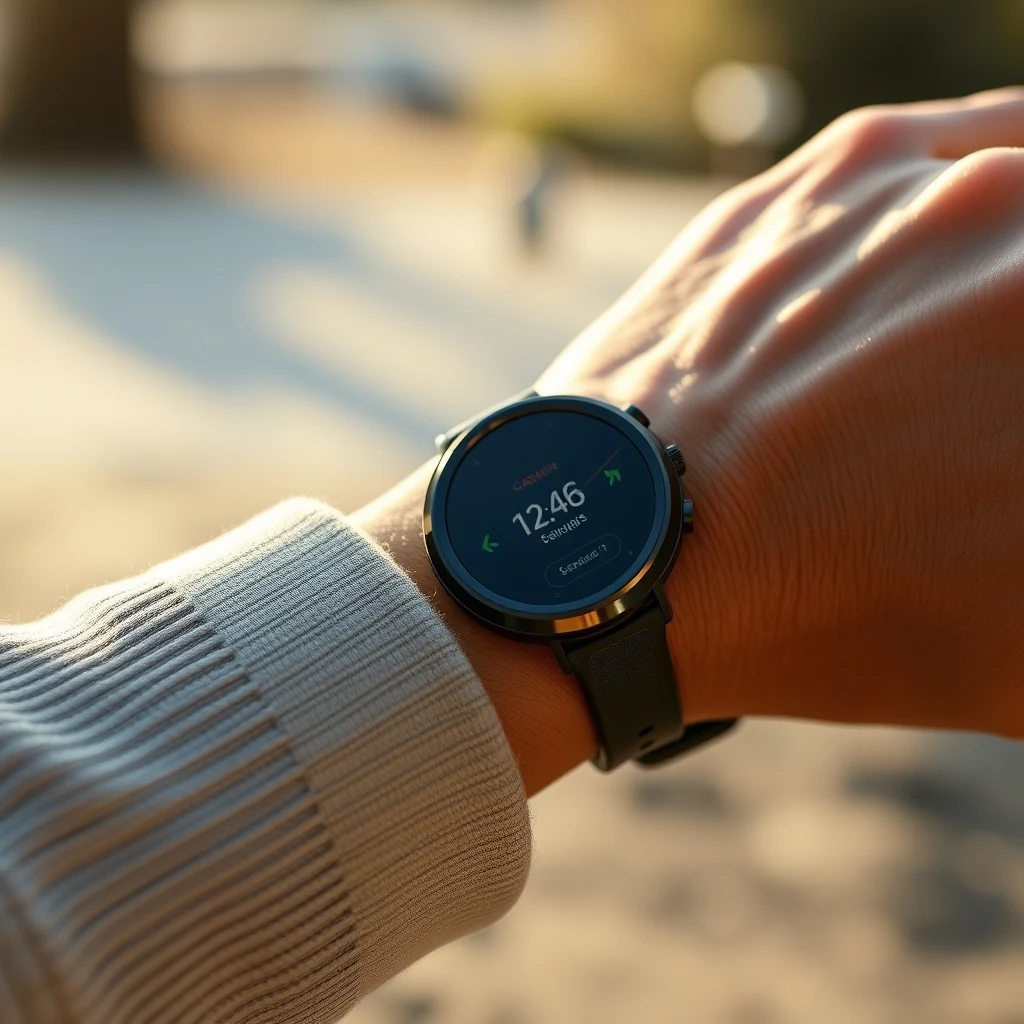
Garmin Cirqa Smart Band Launched: Garmin's Bold Step into Screen-Free Health Tracking
The wearable technology landscape has reached an intriguing crossroads. For years, major tech brands pushed us toward brighter displays, larger touchscreens, and wrists buzzing with endless digital notifications. Smartwatches evolved from simple fitness trackers into wrist-worn mini-computers capable of answering calls, displaying text messages, running third-party apps, and managing daily calendar events. However, an unexpected counter-trend has gained massive momentum: screen fatigue.
Fitness enthusiasts, high-performance athletes, and everyday health-conscious users are increasingly looking for ways to capture rich biometric data without adding another screen to their lives. They want 24/7 recovery monitoring, deep sleep analysis, and continuous heart rate tracking without the constant pinging of social media notifications or the distracting glow of an OLED display at night. Whoop pioneered this screen-free, recovery-focused category, establishing a devoted cult following. Now, GPS giant Garmin has officially stepped into the arena with the launch of the Garmin Cirqa Smart Band.
Reported first across tech outlets after appearing in regulatory filings and official preview events, the Garmin Cirqa represents a major shift in direction for Garmin. Famous for its rugged, button-operated Fenix outdoor watches and multi-sport Forerunner series, Garmin is now offering a streamlined, screen-free wearable designed to sit quietly on your wrist, capture high-fidelity body metrics, and integrate directly into the established Garmin Connect software environment.
In this detailed analysis, we will explore everything you need to know about the new Garmin Cirqa Smart Band. We will look at its design, sensor payload, battery performance, software features, pricing strategy, and how it directly stacks up against its primary target: the Whoop 4.0 strap.
1. What Exactly Is the Garmin Cirqa Smart Band?
The Garmin Cirqa is a minimalist, screen-free biometric tracking band designed to be worn continuously day and night. Unlike traditional fitness bands such as the Garmin Vivosmart or the Fitbit Charge series, the Cirqa features no glass panel, no digital clock face, no touch controls, and no glowing display icons. From the outside, it looks like a premium, stretchable woven fabric band with a sleek, low-profile metallic housing.
Inside that compact casing lies Garmin’s advanced suite of optical sensors, motion detectors, and processing algorithms. The primary goal of the Cirqa is simple: gather continuous, uninterrupted health data—including heart rate variability (HRV), resting heart rate, skin temperature trends, sleep architecture, and movement—without demanding the user's active visual attention.
By removing the display, Garmin accomplishes three strategic engineering objectives:
- Reduced Form Factor: The band is significantly thinner, lighter, and more comfortable to wear while sleeping or training.
- Improved Battery Efficiency: Without an energy-hungry display panel to power, battery capacity can be dedicated entirely to continuous, high-frequency biometric sampling.
- Unobtrusive Aesthetics: Users can wear traditional mechanical watches, luxury chronographs, or bracelets on their primary wrist while wearing the Cirqa on the opposite wrist without looking over-accessorized—a practice popular among watch collectors known as "double-wristing."
2. Design, Materials, and Aesthetic Realities
There is no denying that the Garmin Cirqa takes clear design cues from the popular Whoop 4.0 strap. When looking at the Cirqa, the immediate visual comparison to Whoop is striking, but Garmin has introduced several subtle design refinements tailored to its engineering standards.
The core sensor pod is enclosed in an anodized aluminum and reinforced polymer chassis. It snaps securely into a variety of elastic, breathable knit bands. These bands are crafted from a moisture-wicking micro-filament material engineered to dry quickly after intense workouts, swimming, or showering. Garmin has incorporated a quick-release clasp system that allows users to swap bands in seconds without removing the central sensor pod from your arm.
The underside of the pod features a slightly contoured optical sensor window designed to maintain consistent skin contact without creating uncomfortable pressure points. Because precise optical heart rate readings require a snug fit against the skin, the micro-adjustable woven band uses a sliding tension mechanism rather than traditional belt-buckle pin holes. This allows for microscopic adjustments, ensuring optimal sensor alignment whether you are sitting at a desk or executing high-intensity interval training (HIIT).
Additionally, the Cirqa features subtle haptic feedback motors built directly into the module. While there is no screen to read messages, the band can vibrate gently to alert you to critical health notifications (such as abnormally high resting heart rate), act as a silent morning alarm, or notify you when you have reached daily activity targets set in the mobile application.
3. Sensor Architecture: What’s Under the Hood?
While the exterior of the Garmin Cirqa is deliberately minimal, its interior architecture packs some of the most refined sensor technology Garmin has developed to date. Powering the device is a customized iteration of Garmin's optical sensor platform, optimized specifically for low-profile form factors.
Key hardware components embedded within the Cirqa include:
- Multi-Channel Optical Heart Rate Sensor: Uses green, yellow, and infrared LEDs alongside ultra-sensitive photodiodes to accurately measure heart rate and heart rate variability (HRV) continuous across various skin tones and activity levels.
- Pulse Oximeter (SpO2): Measures blood oxygen saturation levels during sleep to identify potential breathing disturbances or track acclimation at higher altitudes.
- Skin Temperature Sensor: Monitors nocturnal skin temperature variations, providing early warning signals for illness, recovery status changes, or physiological stress.
- 3-Axis Accelerometer and Gyroscope: High-precision motion sensors that track steps, active movement, sleep positioning, and specific exercise activities.
- Bio-Impedance Sensor Array: Works in tandem with optical sensors to measure galvanic skin response and hydration indicators.
By collecting data points from these sensors hundreds of times per second, the Cirqa creates a continuous digital picture of your baseline physiology. Rather than providing a simple snapshot of your heart rate when you manually start a workout, the device monitors how your body reacts to acute stress, physical exertion, dietary habits, and rest cycles throughout a full 24-hour day.
4. The Software Brain: Garmin Connect vs. The Subscription Model
Where the Garmin Cirqa truly sets itself apart from its main competitor, Whoop, is in its software ecosystem and business model. This aspect is perhaps the most significant disruption the Cirqa brings to the fitness tracker market.
No Mandatory Monthly Subscription
Whoop operates on a continuous hardware-as-a-service (HaaS) model, requiring users to pay an ongoing monthly or annual subscription fee (typically ranging from $20 to $30 per month) to access their personal health data. If you cancel your Whoop subscription, your strap essentially stops functioning.
Garmin has chosen a completely different path with the Cirqa. True to Garmin’s traditional commercial approach, the Cirqa requires a one-time upfront hardware purchase. Once you buy the band, all data, metrics, analysis, and software updates are accessible indefinitely through the standard Garmin Connect app without any paywalls or recurring monthly fees.
Deep Integration with Garmin Ecosystem
For millions of existing athletes who already rely on Garmin Edge cycling computers, Garmin Tacx indoor trainers, or secondary Garmin watches, the Cirqa acts as the ultimate missing link. Through Garmin’s Unified Training Status algorithm, data collected by the Cirqa seamlessly syncs across all your Garmin devices.
For instance, if you complete a grueling 50-mile bike ride using a Garmin Edge head unit on your handlebars, that workout intensity is factored directly into the recovery metrics processed by the Cirqa on your wrist. You do not need to manage multiple apps, export fit files, or reconcile conflicting recovery scores from different brands. Garmin Connect merges all inputs into a unified physiological dashboard.
5. Key Metrics: Body Battery, HRV Status, and Sleep Coaching
Since the Cirqa lacks an onboard display, your smartphone or tablet acts as the primary viewing window for your health data. The Garmin Connect interface translates raw biometric information gathered by the Cirqa into actionable health metrics:
Body Battery™ Energy Monitoring
Garmin’s signature metric, Body Battery, functions like a gas gauge for your energy reserves. On a scale from 1 to 100, it measures how physical activity, daily stress, resting periods, and sleep quality drain or recharge your energy. A restful night's sleep recharges the battery toward 100, while stressful work meetings, intense exercise, or alcohol consumption drain the battery faster.
HRV Status (Heart Rate Variability)
Heart Rate Variability—the minute variations in time between consecutive heartbeats—is the golden standard metric for assessing autonomic nervous system balance. The Cirqa tracks nightly HRV baselines over multi-week periods. If your HRV drops significantly below your personal baseline, the app alerts you that your body is fighting off fatigue, an impending illness, or systemic overtraining strain.
Advanced Sleep Tracking and Sleep Coach
Without a bulky watch case pressing into your wrist, sleeping with the Cirqa is noticeably more comfortable than sleeping with a heavy GPS smartwatch. The system tracks light sleep, deep sleep, REM phases, and awake moments. Furthermore, Garmin's built-in Sleep Coach offers personalized advice on how much sleep you need the following night based on your age, recent training strain, and past sleep history.
Stress and Respiration Tracking
By continuously analyzing real-time HRV patterns, the Cirqa determines whether your sympathetic (fight-or-flight) or parasympathetic (rest-and-digest) nervous system is dominant. It quantifies your daily stress levels on a 1-to-100 scale and suggests guided breathing exercises via haptic signals on the band when high stress levels are detected.
6. Battery Life and Novel Charging Solutions
One of the persistent pain points for screen-free health trackers is charging convenience. Because these devices are meant to capture uninterrupted 24/7 data, removing them to plug into a wall outlet creates data gaps, particularly if users forget to put them back on after charging.
Garmin addresses this challenge with an impressive battery efficiency system and a clever charging setup. The Garmin Cirqa delivers an estimated 8 to 10 days of continuous battery life on a single charge—nearly double the 4-to-5-day battery cycle typical of the Whoop 4.0 strap.
When it comes time to recharge, Garmin offers two flexible charging options:
- Slide-On Battery Pack: Similar to Whoop, Garmin offers a tiny, waterproof battery puck that slides directly over top of the Cirqa band while you continue wearing it. This allows you to charge the band while working, cooking, or relaxing, maintaining a continuous 24/7 stream of heart rate and physiological data.
- Direct Magnetic Snap-Cable: If you prefer standard desktop charging, the core module features a low-profile magnetic charging port on its side, enabling rapid fast-charging from 0% to 100% in roughly 45 minutes.
7. Comprehensive Comparison: Garmin Cirqa vs. Whoop 4.0
To help visualize how the Garmin Cirqa stacks up against the current undisputed leader of screen-free health bands, consider the detailed feature comparison table below:
| Feature / Spec | Garmin Cirqa Smart Band | Whoop 4.0 |
|---|---|---|
| Display | None (Screen-free) | None (Screen-free) |
| Cost Structure | One-time upfront purchase (~$199–$249 estimated) | Monthly/Annual Subscription ($20–$30/month) |
| Battery Life | 8 to 10 days | 4 to 5 days |
| On-the-Go Charging | Yes (Slide-on battery pack + Magnetic cable) | Yes (Slide-on battery pack) |
| Water Resistance | 5 ATM (50 meters swim-proof) | IP68 / 10 meters water resistant |
| Sensors | Optical HR, HRV, SpO2, Temp, Bio-impedance, Accelerometer | Optical HR, HRV, SpO2, Temp, Skin Conductance, Accelerometer |
| Ecosystem Integration | Garmin Connect (Syncs with Edge, Forerunner, Fenix, Tacx) | Standalone Whoop App (Integrates via Apple Health/Strava) |
| Haptic Feedback | Yes (Alarms, high HR alerts, stress prompts) | Yes (Silent wake alarms) |
| Primary Focus | 24/7 Recovery, Unified Training Load, Distraction-Free Tracking | Strain vs. Recovery Score, Sleep Performance |
8. Who Is the Garmin Cirqa Designed For?
The introduction of the Cirqa is a precise move aimed at specific user segments within the fitness and technology markets. If you fit into any of the following categories, the Cirqa was built with you in mind:
1. The Traditional Watch Enthusiast
If you love mechanical timepieces, luxury Swiss chronographs, or classic digital watches, wearing a black glass rectangle smart watch on your other wrist often feels visually clunky or redundant. The Cirqa offers a subtle, fabric-covered solution that looks like an understated woven wristband while secretly gathering state-of-the-art health data.
2. The "Screen-Fatigued" Athlete
Modern life is flooded with digital displays. For many, exercise represents a dedicated opportunity to disconnect from digital noise. The Cirqa lets you track every heart beat, calorie burned, and strain point without exposing you to incoming emails, social media notifications, or screen glare during workouts or family time.
3. Serious Sleep Trackers
Bulky smartwatches can feel uncomfortable or distracting during sleep, frequently leading users to leave them on nightstands to charge. The ultra-lightweight profile, soft textile band, and long battery life of the Cirqa make it ideal for comfortable, continuous overnight tracking.
4. Existing Garmin Ecosystem Owners
Cyclists who use Garmin Edge head units or runners who prefer wearing heavy outdoor GPS watches only during active training can wear the Cirqa 24/7 to fill in the data gaps during rest periods, work hours, and recovery time. All data merges seamlessly into one unified profile in Garmin Connect.
9. Potential Drawbacks to Consider
While the Garmin Cirqa brings an exciting list of advantages to the market, it is essential to consider potential trade-offs depending on your personal health tracking needs:
- No Real-Time Mid-Workout Metrics: Because there is no screen, you cannot glance at your wrist to check your current heart rate zone, pace, or lap time during a run without pulling out your smartphone or syncing with a secondary display unit.
- No Built-in GPS Routing: To keep the module compact and maximize battery life, the Cirqa relies on connected smartphone GPS for accurate outdoor routing mapping rather than containing an internal dual-frequency GPS chip.
- Dependence on the Garmin Connect App: Since there are no physical buttons or displays on the hardware module, every setting adjustment, alarm customization, and detailed metric breakdown must be configured through your phone.
10. Market Impact: Disrupting the Wearable Industry
Garmin’s entry into the screen-free market with the Cirqa is a clear sign that consumer preferences in health tech are evolving. While early smartwatch adopters demanded larger screens and more phone-like features, the mature wearable market is splitting into two distinct philosophies:
On one side are Wrist Computers—like the Apple Watch Ultra and Samsung Galaxy Watch series—focused on communication, apps, cellular connectivity, and rich visual displays. On the other side are Discrete Biometric Monitors—like the Garmin Cirqa, Whoop Strap, and smart rings—focused entirely on passive, non-intrusive health tracking, athletic recovery, and long-term sleep health.
By entering this market with a subscription-free model, Garmin is putting pressure on subscription-reliant health platforms. Consumers who were hesitant to commit to a permanent $30-per-month Whoop subscription now have a high-performance alternative from one of the most trusted names in sports measurement technology.
Final Thoughts: Is the Garmin Cirqa Worth It?
The Garmin Cirqa Smart Band is an intelligent, highly targeted addition to Garmin’s hardware portfolio. It takes the best aspects of screen-free health tracking—unmatched comfort, distraction-free wearability, and continuous biological monitoring—and combines them with Garmin’s proven sensor hardware and rich analytics engine.
By eliminating monthly subscription fees and offering direct integration with the existing Garmin Connect universe, the Cirqa presents a compelling option for athletes, mechanical watch lovers, and anyone suffering from daily digital screen overload. If you want to track your body’s vital signs, sleep cycles, and daily strain without wearing another glowing screen, the Garmin Cirqa deserves a spot at the very top of your list.

0 Comments