
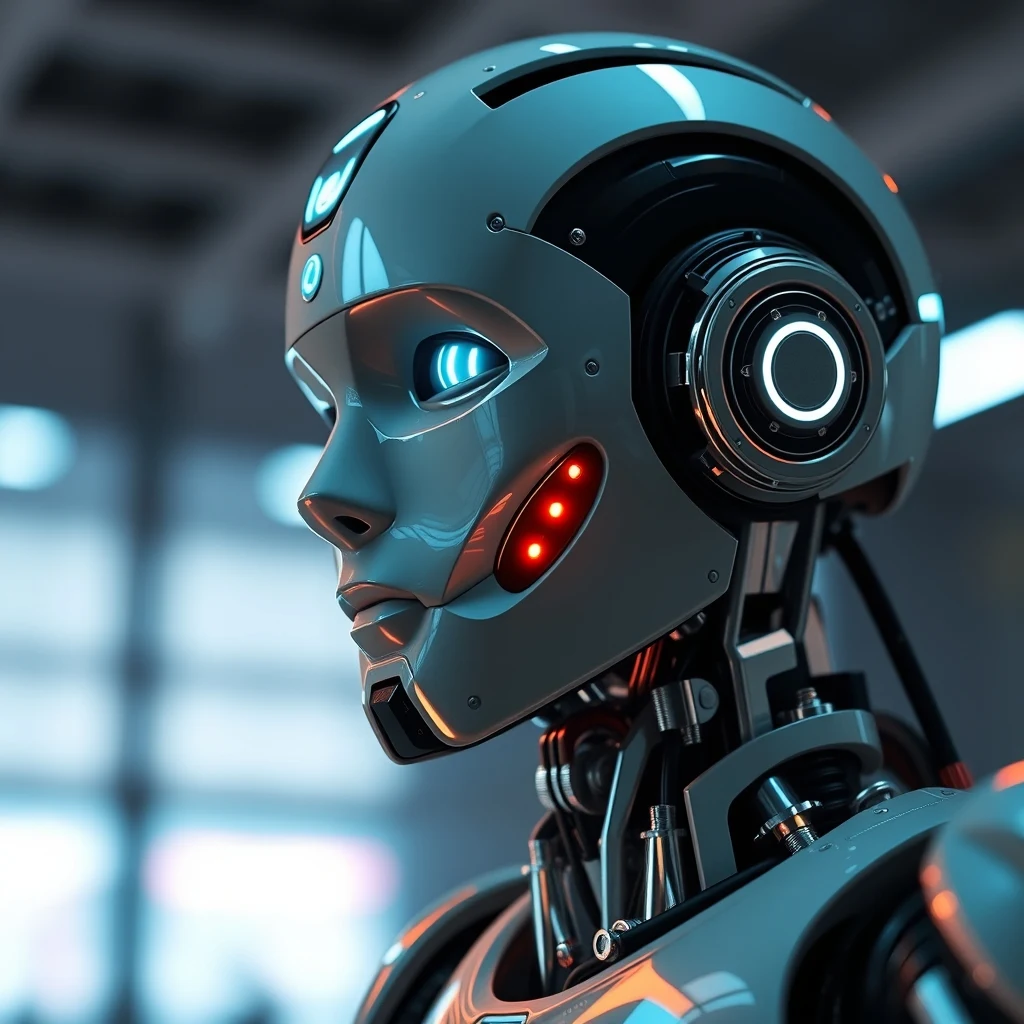
Introduction to Chatbot Development
Chatbots have become an essential tool for businesses to automate their customer service operations. With the help of Python and Natural Language Processing (NLP), developing a chatbot has become more accessible than ever. In this article, we will explore the process of developing a chatbot with Python and NLP for customer service automation.
Benefits of Chatbots in Customer Service
Chatbots offer several benefits in customer service, including 24/7 availability, fast response times, and personalized support. They can also help reduce the workload of human customer support agents, allowing them to focus on more complex issues. Here are some key benefits of chatbots in customer service:
- Improved customer experience
- Increased efficiency
- Reduced costs
- Enhanced scalability
Getting Started with Chatbot Development
To develop a chatbot with Python and NLP, you will need to have a basic understanding of Python programming and NLP concepts. You will also need to choose a chatbot platform or framework to build your chatbot. Some popular options include Dialogflow, Microsoft Bot Framework, and Rasa.
Choosing a NLP Library
There are several NLP libraries available for Python, including NLTK, spaCy, and Stanford CoreNLP. When choosing an NLP library, consider the following factors:
- Tokenization: The ability to split text into individual words or tokens
- Part-of-speech tagging: The ability to identify the part of speech (such as noun, verb, or adjective) of each word
- Named entity recognition: The ability to identify named entities (such as people, places, or organizations) in text
Developing a Chatbot with Python and NLP
Once you have chosen a chatbot platform and NLP library, you can start developing your chatbot. Here are the general steps involved in developing a chatbot with Python and NLP:
- Define the chatbot's intents and entities
- Develop a dialog flow to handle user input
- Integrate the chatbot with a knowledge base or database
- Test and refine the chatbot's performance
Training a Chatbot Model
Training a chatbot model involves providing the model with a dataset of examples of user input and corresponding responses. The model can then learn to recognize patterns in the data and generate responses to new user input. There are several machine learning algorithms that can be used to train a chatbot model, including supervised learning and reinforcement learning.
Conclusion
Developing a chatbot with Python and NLP can be a complex task, but with the right tools and techniques, it can also be a rewarding and effective way to automate customer service operations. By following the steps outlined in this article, you can create a chatbot that provides personalized support to your customers and helps to improve their overall experience. Remember to choose a chatbot platform and NLP library that meets your needs, and to test and refine your chatbot's performance regularly to ensure it continues to meet the needs of your customers.



0 Comments