
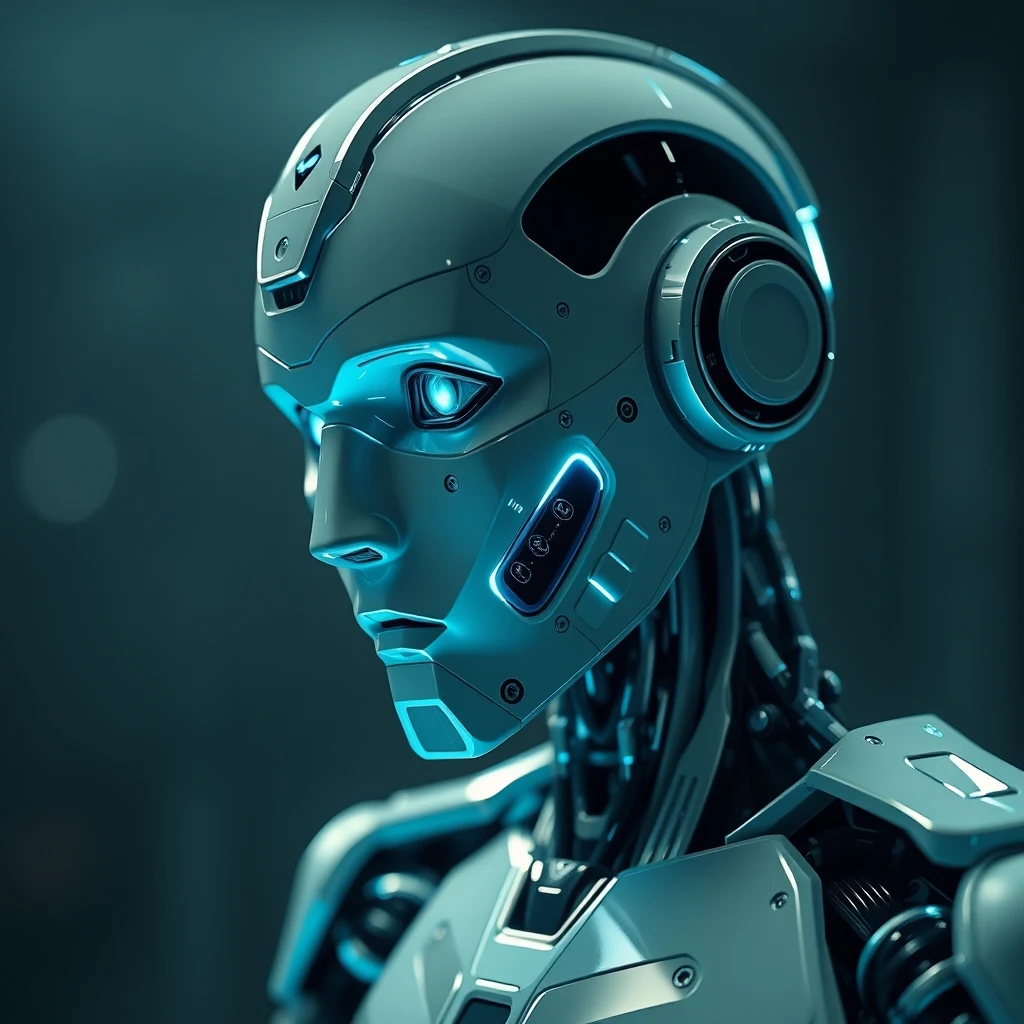
Introduction to Human Robot Interaction
Human robot interaction (HRI) is a field of study that focuses on the interaction between humans and robots. With the advancement of artificial intelligence (AI), HRI has become a crucial aspect of robotics. The development of interactive human robot interfaces is essential for creating robots that can effectively communicate and interact with humans.
Importance of Interactive Human Robot Interfaces
Interactive human robot interfaces are vital for various applications, including healthcare, education, and customer service. These interfaces enable humans to communicate with robots effectively, which is essential for robots to perform tasks efficiently. A well-designed interface can improve the overall user experience and increase the adoption of robots in various industries.
Key Components of Interactive Human Robot Interfaces
An interactive human robot interface typically consists of several key components, including:
- Sensors: These are used to detect and interpret human input, such as speech, gestures, and facial expressions.
- Artificial intelligence: This is used to process and analyze human input, and generate responses accordingly.
- Actuators: These are used to execute the robot's actions, such as moving its arms or speaking.
- Feedback mechanisms: These are used to provide feedback to the human user, such as displaying text or images on a screen.
Designing Interactive Human Robot Interfaces
Designing an interactive human robot interface requires a multidisciplinary approach, involving expertise in robotics, artificial intelligence, and human-computer interaction. The design process typically involves the following steps:
- Defining the interface's purpose and functionality
- Identifying the target audience and their needs
- Designing the interface's layout and user experience
- Testing and refining the interface
Technologies Used in Interactive Human Robot Interfaces
Several technologies are used to develop interactive human robot interfaces, including:
- Machine learning: This is used to enable robots to learn from human input and adapt to new situations.
- Natural language processing: This is used to enable robots to understand and generate human-like language.
- Computer vision: This is used to enable robots to detect and interpret visual input, such as gestures and facial expressions.
- Speech recognition: This is used to enable robots to understand spoken language.
Challenges and Limitations
Despite the advancements in interactive human robot interfaces, there are still several challenges and limitations that need to be addressed. These include:
- Robustness and reliability: Interactive human robot interfaces need to be robust and reliable, and able to handle unexpected situations and errors.
- Security and privacy: Interactive human robot interfaces need to ensure the security and privacy of human users, and protect against potential risks and threats.
- Acceptance and adoption: Interactive human robot interfaces need to be accepted and adopted by human users, which requires careful design and testing.
Conclusion
In conclusion, developing interactive human robot interfaces with artificial intelligence is a complex task that requires a multidisciplinary approach. By understanding the key components, design principles, and technologies used in interactive human robot interfaces, developers can create effective and efficient interfaces that enable humans and robots to interact seamlessly. As the field of HRI continues to evolve, we can expect to see more advanced and sophisticated interactive human robot interfaces that transform the way we live and work.



0 Comments