
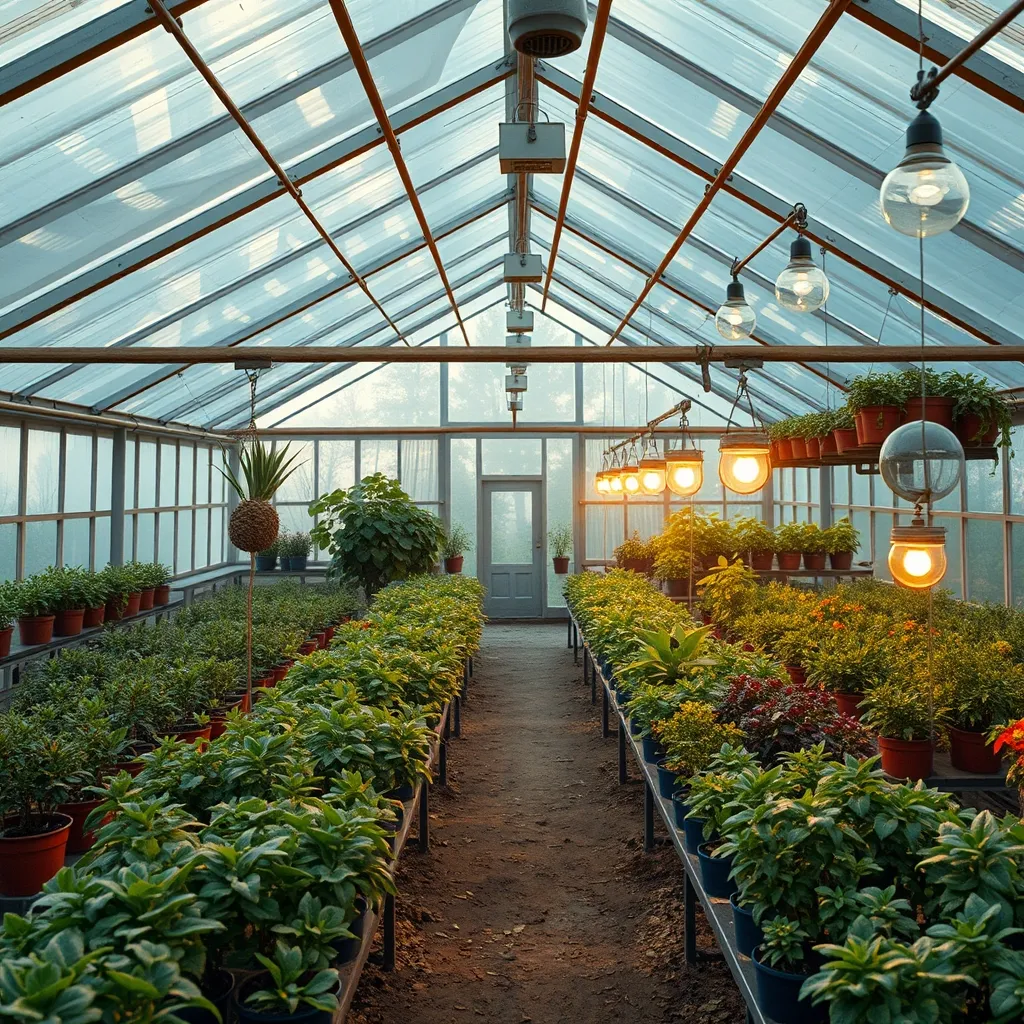
Introduction to Computer Controlled Greenhouses
Imagine having a greenhouse where the temperature, humidity, and light are perfectly controlled to optimize plant growth. With the help of technology, you can create a computer controlled greenhouse that automates all the necessary processes, giving you more time to focus on nurturing your plants. In this article, we will explore the steps to build a computer controlled greenhouse and discuss the benefits of using technology in gardening.
Benefits of Computer Controlled Greenhouses
There are several benefits to using a computer controlled greenhouse. Some of the advantages include:
- Increased crop yield: By maintaining optimal conditions, you can increase the yield of your crops.
- Improved plant health: Automated systems can detect and respond to changes in temperature, humidity, and light, preventing damage to your plants.
- Reduced labor: Automation reduces the need for manual labor, giving you more time to focus on other aspects of gardening.
- Energy efficiency: Computer controlled systems can optimize energy consumption, reducing your energy bills.
- Remote monitoring: With the help of technology, you can monitor your greenhouse from anywhere, receiving alerts and notifications if something goes wrong.
Building a Computer Controlled Greenhouse
Building a computer controlled greenhouse requires some technical knowledge and equipment. Here are the basic steps to get you started:
First, you will need to choose a location for your greenhouse. Look for a spot that receives plenty of natural light and is close to a power source. Next, you will need to design and build the structure of your greenhouse. You can use a variety of materials, including glass, plastic, and metal.
Automating Your Greenhouse
Once you have built the structure of your greenhouse, you can start automating the systems. You will need to install sensors and controllers to monitor and control the temperature, humidity, and light. You can use a variety of automation technologies, including:
- Temperature control systems: These systems use sensors and heaters or coolers to maintain a consistent temperature.
- Humidity control systems: These systems use sensors and humidifiers or dehumidifiers to maintain a consistent humidity level.
- Lighting control systems: These systems use sensors and LED grow lights to provide the optimal amount of light for your plants.
Implementing Computer Control
Once you have installed the automated systems, you can implement computer control. You will need to choose a computer platform and install software that can communicate with your automated systems. Some popular options include:
Raspberry Pi: A small, affordable computer that can be used to control your automated systems.
Arduino: A microcontroller platform that can be used to control and monitor your automated systems.
Monitoring and Controlling Your Greenhouse
Once you have implemented computer control, you can start monitoring and controlling your greenhouse remotely. You can use a variety of monitoring tools, including:
- Webcams: Allow you to visually monitor your greenhouse from anywhere.
- Sensor data: Provide you with real-time data on temperature, humidity, and light levels.
- Alert systems: Send you notifications if something goes wrong, such as a power outage or temperature fluctuation.
Conclusion
Building a computer controlled greenhouse can be a complex and challenging project, but the benefits are well worth the effort. With the help of technology, you can create a greenhouse that is optimized for plant growth, reducing labor and increasing crop yield. Whether you are a seasoned gardener or just starting out, a computer controlled greenhouse can help you take your gardening to the next level.



0 Comments