
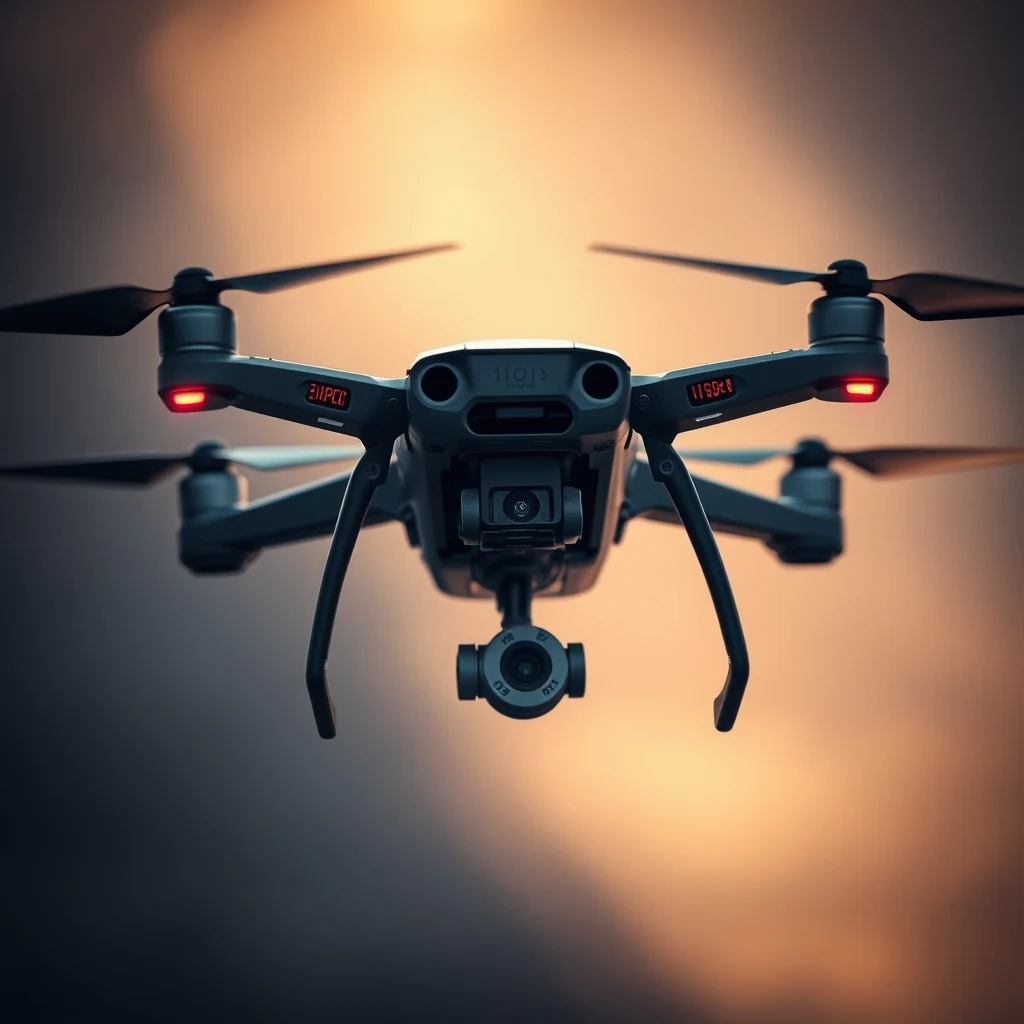
Introduction to DIY Drones
Building a DIY drone for aerial photography and mapping can be an exciting and rewarding project. With the increasing popularity of drones, many enthusiasts are looking to build their own custom drones for various applications. In this article, we will guide you through the process of building a DIY drone for aerial photography and mapping.
Benefits of DIY Drones
There are several benefits to building a DIY drone, including cost-effectiveness, customization, and learning experience. By building your own drone, you can save money compared to buying a pre-made drone. Additionally, you can customize your drone to fit your specific needs and applications. Building a DIY drone also provides a valuable learning experience, allowing you to gain hands-on experience with electronics, programming, and aerodynamics.
Components of a DIY Drone
A typical DIY drone consists of several key components, including:
- Frame: The frame is the main structure of the drone, providing a base for the other components.
- Motors: The motors provide the power and thrust for the drone, allowing it to fly and maneuver.
- Electronic Speed Controllers (ESCs): The ESCs control the speed of the motors, allowing for smooth and efficient flight.
- Flight Controller: The flight controller is the brain of the drone, controlling the motors, ESCs, and other components.
- Power System: The power system includes the battery, power distribution board, and other components that provide power to the drone.
Step-by-Step Guide to Building a DIY Drone
Building a DIY drone requires careful planning and execution. Here are the steps to follow:
- Design and plan your drone, including the frame, motors, and other components.
- Choose and purchase the necessary components, including the frame, motors, ESCs, flight controller, and power system.
- Assemble the frame and attach the motors, ESCs, and other components.
- Install the flight controller and configure the software.
- Test and calibrate the drone, including the motors, ESCs, and flight controller.
Aerial Photography and Mapping with DIY Drones
Once you have built and tested your DIY drone, you can use it for aerial photography and mapping. Here are some tips and considerations:
- Choose a high-quality camera that is suitable for aerial photography.
- Use a gimbal to stabilize the camera and provide smooth footage.
- Plan your flight route and mission, including the location, altitude, and speed.
- Use mapping software to create detailed maps and models of the area.
Conclusion
Building a DIY drone for aerial photography and mapping can be a fun and rewarding project. By following the steps and tips outlined in this article, you can create a custom drone that meets your specific needs and applications. Remember to always follow safety guidelines and regulations when flying your drone, and to practice responsible and ethical drone operation.
With the increasing demand for aerial photography and mapping, DIY drones are becoming an essential tool for many industries and applications. Whether you are a hobbyist, enthusiast, or professional, building a DIY drone can provide a valuable learning experience and a cost-effective solution for your aerial photography and mapping needs.



0 Comments