
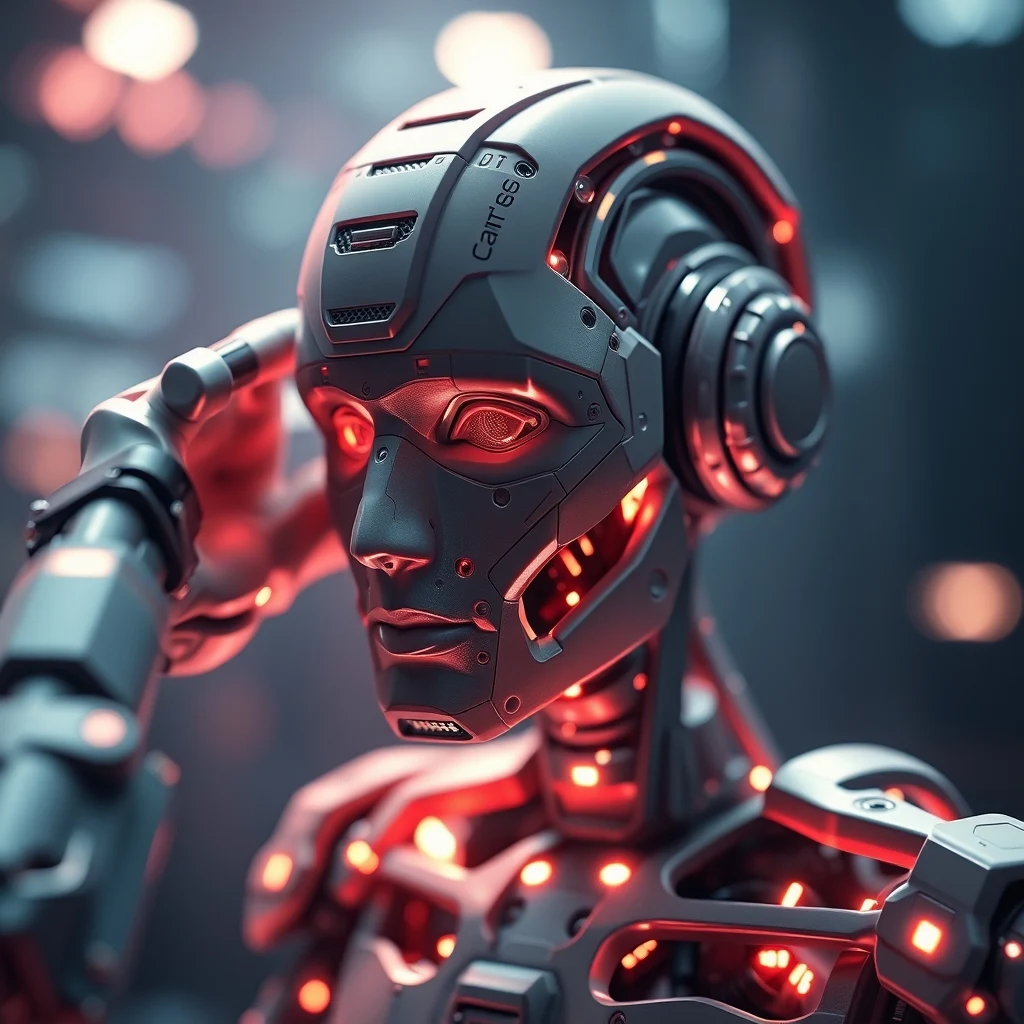
Introduction to AI Driven Virtual Assistants
Artificial intelligence (AI) has revolutionized the way we interact with technology, and one of the most significant advancements is the development of AI-driven virtual assistants. These virtual assistants are designed to provide a personalized experience for users, making their lives easier and more convenient. In this article, we will explore how to develop AI-driven virtual assistants for a personalized experience.
Understanding the Basics of AI-Driven Virtual Assistants
To develop an AI-driven virtual assistant, it is essential to understand the basics of artificial intelligence and machine learning. AI-driven virtual assistants use natural language processing (NLP) to understand and interpret user requests, and then perform tasks accordingly. The development process involves several stages, including data collection, model training, and testing.
Key Components of AI-Driven Virtual Assistants
There are several key components that are essential for developing an AI-driven virtual assistant. These include:
- Natural Language Processing (NLP): This is the ability of the virtual assistant to understand and interpret user requests.
- Machine Learning (ML): This is the ability of the virtual assistant to learn from user interactions and improve its performance over time.
- Knowledge Graph: This is a database that stores information about the user and their preferences, which is used to provide a personalized experience.
- Integration with Other Services: This is the ability of the virtual assistant to integrate with other services and devices, such as calendars, maps, and smart home devices.
Developing an AI-Driven Virtual Assistant
To develop an AI-driven virtual assistant, you will need to follow these steps:
- Define the scope and functionality of the virtual assistant
- Collect and preprocess data for model training
- Train and test the model using machine learning algorithms
- Integrate the virtual assistant with other services and devices
- Test and refine the virtual assistant to ensure it is providing a personalized experience
Benefits of AI-Driven Virtual Assistants
AI-driven virtual assistants offer several benefits, including:
- Personalized Experience: AI-driven virtual assistants can provide a personalized experience for users, making their lives easier and more convenient.
- Increased Efficiency: AI-driven virtual assistants can automate tasks and provide quick answers to user requests, increasing efficiency and productivity.
- Improved Customer Service: AI-driven virtual assistants can provide 24/7 customer service, improving customer satisfaction and loyalty.
Challenges and Limitations of AI-Driven Virtual Assistants
While AI-driven virtual assistants offer several benefits, there are also challenges and limitations to consider. These include:
- Data Quality: The quality of the data used to train the model can significantly impact the performance of the virtual assistant.
- Security and Privacy: AI-driven virtual assistants require access to sensitive user data, which can create security and privacy concerns.
- Integration with Other Services: Integrating the virtual assistant with other services and devices can be complex and time-consuming.
Conclusion
In conclusion, developing an AI-driven virtual assistant requires a deep understanding of artificial intelligence, machine learning, and natural language processing. By following the steps outlined in this article, you can create a virtual assistant that provides a personalized experience for users. While there are challenges and limitations to consider, the benefits of AI-driven virtual assistants make them an essential tool for businesses and individuals alike.



0 Comments